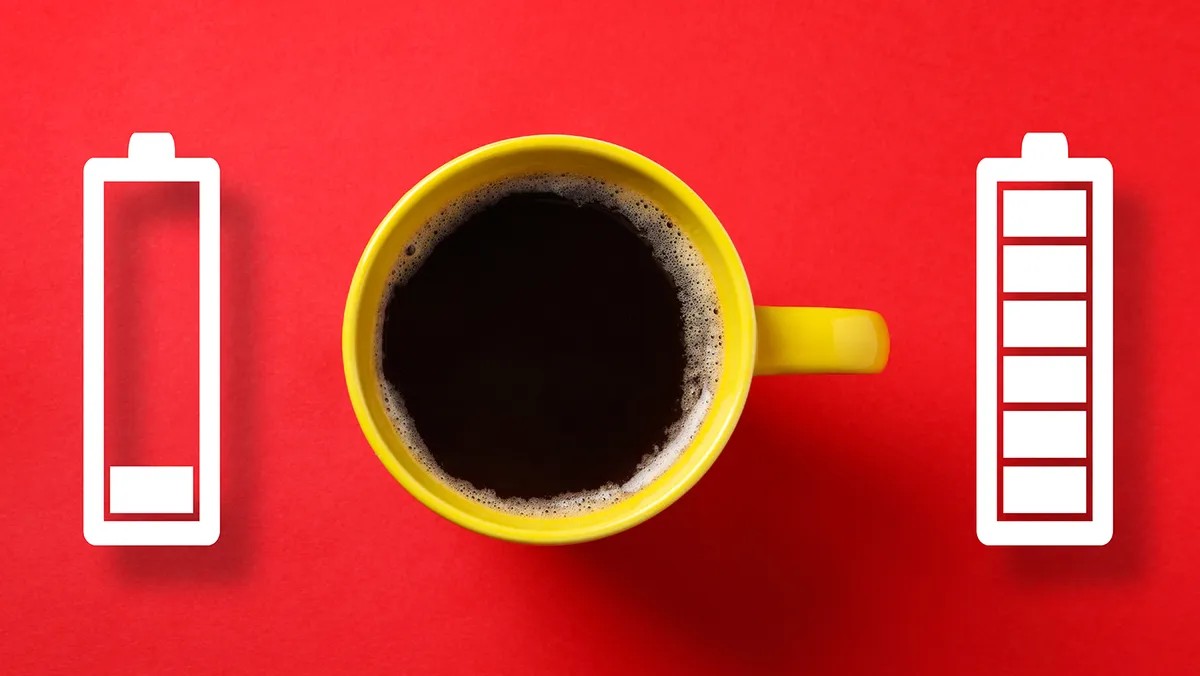
The energy drink market is often defined by extremes. On one end, you have “ultra-charged” products like Bang or Celsius, which can pack upwards of 200 to 300 mg of caffeine into a single serving. On the other, there are those seeking a steady lift without the jitters or the inevitable sugar crash.
For many, the goal isn’t a frantic burst of energy; it is sustained focus and mental clarity. This shift in consumer preference has carved out a significant niche for low-caffeine options—drinks that typically range from 50 to 90 mg of caffeine per serving.
Why Caffeine Dosage Matters
The difference between 80 mg and 300 mg is more than just a number; it fundamentally changes how your body reacts. High doses can lead to increased heart rate and anxiety, whereas lower doses are often more manageable for daily tasks.
A study published on PubMed noted that a low-caffeine energy drink (containing approximately 53 mg of caffeine per 355 mL) had no adverse effects on blood pressure or heart rate in healthy volunteers. However, health experts from the FDA, NIH, and Harvard Nutrition Source remind consumers that “low caffeine” does not automatically mean “healthy.” Many of these drinks still contain high levels of sugar, artificial sweeteners, or various stimulants that require careful reading of the label.
Top Picks for a Controlled Energy Lift
Depending on whether you prioritize natural ingredients, flavor, or a specific lifestyle, different brands will suit your needs.
🌿 The Natural & Functional Approach
If you prefer ingredients that feel closer to tea than soda, these options focus on a “cleaner” energy profile:
- V8 Energy: A standout for those seeking a “natural” story. It uses green tea-derived caffeine combined with fruit and vegetable juices. With roughly 80 mg of caffeine, it provides a milder boost supplemented by B vitamins to help convert food into energy.
- Guayaki Organic Yerba Mate: This is a preferred choice for tea lovers. Yerba mate offers natural caffeine and antioxidants without the aggressive carbonation or syrupy sweetness found in mainstream brands.
- Matcha & Green Tea Drinks: These are often the gold standard for focus. Many contain L-theanine, a compound that, when paired with caffeine, is associated with a calm, alert state rather than a jittery spike.
🥤 The Reliable & Accessible Options
For those who want a familiar experience without the massive caffeine hit of a “pre-workout” style drink:
- Red Bull (Original or Sugarfree): While Red Bull is a powerhouse in the industry, its classic 8.4-ounce can contains about 80 mg of caffeine. This is significantly lower than the 200+ mg found in many larger cans from brands like Monster or Rockstar.
- Aspire Healthy Energy Drinks: Offering 80 mg of natural caffeine per 12-ounce can, Aspire focuses on a wide variety of fruit flavors (like Strawberry Watermelon and Mango Lemonade) without the heavy weight of high-fructose corn syrup.
- Ice +Caffeine: A great middle-ground for those who want a crisp, sparkling beverage. At 70 mg of caffeine, it feels lighter and less “heavy” than many fruit-punch-style energy drinks.
⚖️ The “Middle Ground” & Alternative Sweeteners
Sometimes, “low caffeine” is relative. These drinks sit between a light tea and a heavy energy blast:
- Zevia Zero Calorie Energy: At 120 mg of caffeine, it is stronger than a Red Bull but lighter than a Bang. It uses stevia for sweetness, making it a popular choice for those monitoring sugar and carb intake.
- Monster Ultra: While it contains roughly 150 mg of caffeine, it is a popular “compromise” for fans of the Monster brand who want a zero-sugar, more refreshing flavor profile compared to the original formula.
- Jocko Go: Aimed at a functional, high-performance lifestyle, this brand uses monk fruit for sweetness and focuses on balanced energy and mental clarity.
How to Shop Smart: A Quick Comparison
When standing in the beverage aisle, use this hierarchy to make an informed decision:
- Check the Caffeine Content First:
- Low-dose: 50–90 mg (e.g., V8 Energy, Red Bull, Aspire).
- Moderate-dose: 120–150 mg (e.g., Zevia, Monster Ultra).
- High-dose: 200–300 mg (e.g., Celsius, Alani Nu, Bang).
- Analyze the Sweeteners: Decide if you prefer natural sugars, stevia, monk fruit, or artificial sweeteners like sucralose. This will impact both your calorie count and the aftertaste.
- Read the “Extras”: Look for functional ingredients like taurine, ginseng, B vitamins, or electrolytes, which are often added to support focus and hydration.
- Prioritize Taste: Ultimately, an energy drink is only useful if you enjoy drinking it. A “healthy” drink that tastes unpleasant will likely end up wasted.
The Bottom Line: The best energy drink isn’t necessarily the one with the most caffeine; it’s the one that provides the specific type of alertness you need without disrupting your body’s equilibrium.