


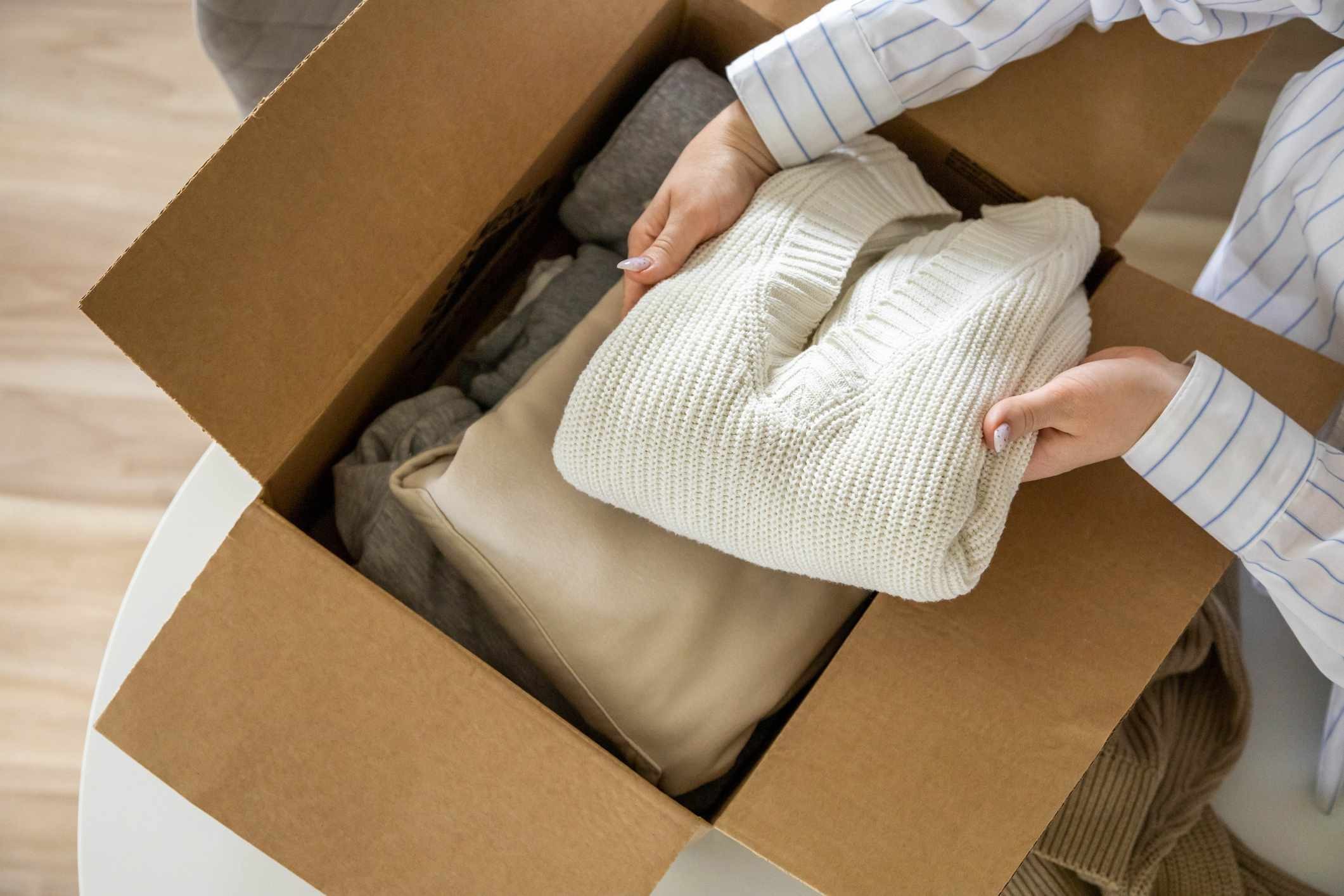
Many homeowners use basements for extra storage, but during winter, this can be a costly mistake. Fluctuating temperatures and high humidity create conditions that damage common household items. According to organizing experts, certain possessions should never be kept in a basement during colder months. Here’s what you need to protect:
Electronics: Corrosion Risks
Basements are prone to moisture and temperature swings, which can irreparably damage electronics. Condensation leads to corrosion and short circuits. Keeping devices in a dry, temperature-controlled environment is essential for longevity.
Fabric Items: Mold & Mildew
Clothing, linens, and curtains suffer in damp basements. These materials become susceptible to musty odors, mold, and mildew. Store fabrics indoors to avoid permanent damage.
Mattresses & Bedding: Lingering Mustiness
Like other fabrics, mattresses and bedding absorb basement dampness. Even repeated washing struggles to eliminate the musty smell. Keep these items in linen closets or use protective bags if indoor space is limited.
Dry Food: Pest Attraction
Basements offer shelter for pests seeking refuge from winter. Flour, rice, and pasta are prime targets, providing sustenance and being susceptible to damp conditions. Store dry goods indoors to prevent infestation and spoilage.
Wood Furniture: Cracking & Warping
Wood expands, contracts, cracks, and warps with temperature fluctuations. Antique or excess furniture is particularly vulnerable to permanent damage. If basement storage is unavoidable, elevate items off the floor and use a dehumidifier.
Photo Albums: Irreversible Water Damage
Sentimental keepsakes like photo albums are especially at risk in basements. Even minor leaks can ruin precious photographs. Store them in temperature-controlled cabinets inside your home for both safety and enjoyment.
Important Paperwork: Warping & Mold
Documents and records are vulnerable to dampness, leading to warping, sticking, and mold growth. Prioritize indoor storage to ensure their preservation.
Musical Instruments: Structural Damage
Wooden and string instruments suffer irreversible damage from humidity and temperature shifts. Glued joints and strings expand/contract, altering sound and structural integrity. Keep instruments inside to maintain their quality.
Artwork: Moisture Sensitivity
Artwork is also sensitive to temperature changes and moisture levels. Fluctuating conditions can easily damage paintings, prints, and other pieces. Store artwork in a climate-controlled area of your home.
Flammable Materials: Fire Hazard
Paint, sealants, and adhesives become brittle and ineffective in cold temperatures. More critically, these items pose a fire hazard in fluctuating conditions. Store flammable materials in a stable environment and recycle old paint responsibly.
Bottom line: Basements may seem convenient, but the risks to your possessions are too high during winter. Prioritize indoor storage for items vulnerable to moisture, temperature, and pests. Protecting your belongings now saves costly replacements later.


