Modern homeowners are rethinking traditional yard features, as many popular designs prove impractical or high-maintenance. According to professional landscapers, several once-coveted elements are now falling out of favor—and for good reason. These trends demand more upkeep than many homeowners are willing to provide, while alternatives offer both beauty and functionality.
The Downfall of the Large Lawn
The classic American dream of a sprawling green lawn is fading. Maintaining a perfect turf requires constant irrigation, fertilization, and vigilance against weather patterns, making it unsustainable for many. Kasey Eaves of Vivant Gardening Services points out that lawns are often underutilized, while the effort to keep them pristine is significant.
Instead, homeowners are increasingly opting for pollinator-friendly plantings and edible gardens. Raised beds filled with cut flowers and vegetables provide a more interactive and rewarding experience: “If I’m going to do the work, then I want it to feed me and fill my flower vase,” as one client put it.
Ground Covers: An Outdated Look
Despite some benefits, ground covers are rarely requested by clients—only removed. Laura Janney, CEO of The Inspired Garden Masterclass, explains they tend to make gardens look messy and dated. More importantly, they compete with surrounding plants for resources and can even attract unwanted pests.
Janney recommends a simpler approach: “Not every inch needs to have a plant.” Mulch is an excellent alternative for moisture retention and weed suppression, while carefully spaced perennials and shrubs create a more intentional, less cluttered aesthetic.
In-Ground Vegetable Gardens: A Step Backwards
While vegetable gardens are popular, simply planting in the ground is no longer the best practice. Raised beds offer superior drainage, fewer pests, and easier access for tending. The aesthetic is also a draw, as they provide a cleaner, more organized look.
Vertical Gardens: More Trouble Than They’re Worth
Vertical gardens were once considered trendy, but their impracticality is now widely recognized. Water drains rapidly from these structures, making consistent hydration a challenge. Even with custom solutions, frequent watering—sometimes multiple times a day—is often required.
Water Features: High Maintenance Beauty
Fountains and ponds are visually appealing, but require upkeep comparable to a swimming pool. While automation is often desired, most water features demand regular hands-on care to prevent algae buildup and maintain water quality.
Manicured Landscaping: A Relic of the Past
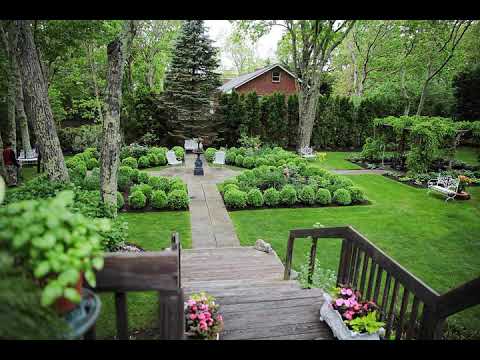
Perfectly shaped boxwoods and rigidly structured gardens are beautiful in period dramas like Bridgerton, but unrealistic for modern lifestyles. Laura Janney notes these styles feel stiff, unforgiving, and no longer align with current values.
Embracing softer landscaping is a better approach: layer shrubs and perennials with varying heights, bloom times, and textures in a loose, natural pattern. Choose plants suited to your climate to ensure long-term success with minimal effort.
These shifts reflect a broader trend towards sustainable, low-maintenance gardening. Homeowners now prioritize functionality and ease of care over outdated status symbols, making these once-popular yard features increasingly obsolete.