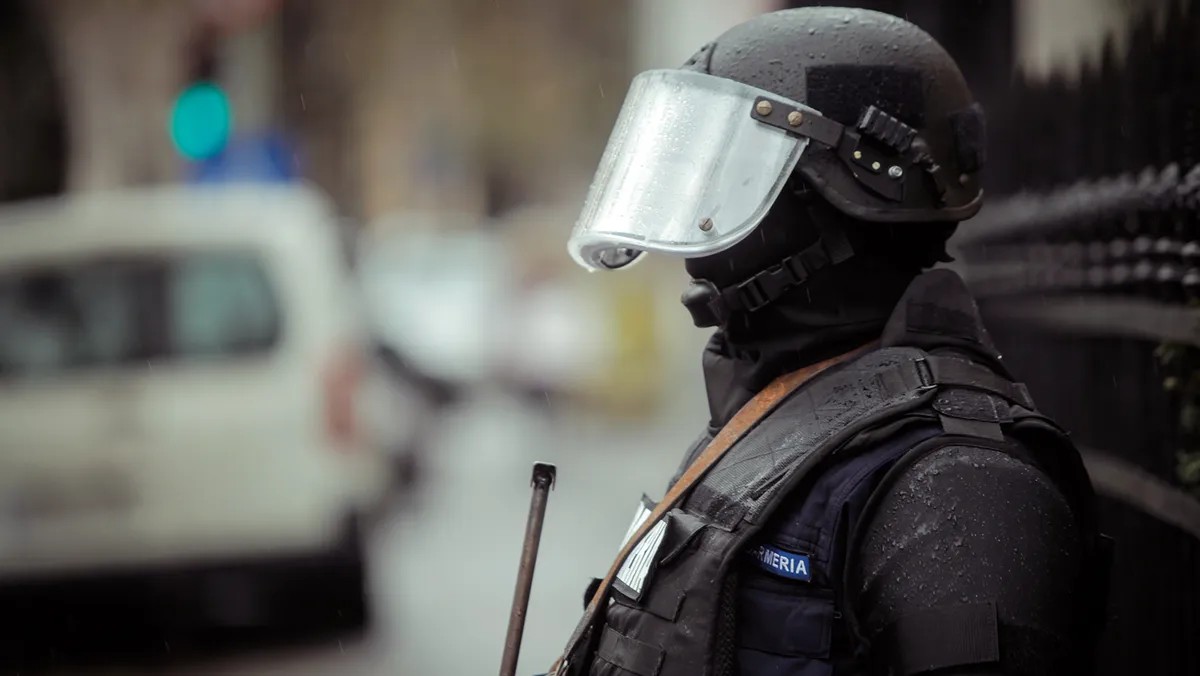
Martial law, the temporary imposition of military rule over civilian populations, is a serious but often misunderstood concept. While it has been invoked over 60 times in U.S. history—typically by state and local authorities—its application varies greatly. Understanding how to stay safe requires preparation, awareness, and calm judgment.
Understanding the Context
Martial law isn’t a total breakdown of the legal system. The U.S. Constitution and existing federal/state laws still apply, even when the military is in charge. The Supreme Court has consistently upheld civilian court functionality whenever possible. Suspension of habeas corpus (protection against unlawful detention) is rare, reserved for genuine crises like rebellion or invasion.
However, during martial law, the military assumes authority over civilians. This can involve restricted movement, checkpoints, and potential confrontations. The key to survival is recognizing this dynamic and preparing accordingly.
The Safest Locations: Prioritizing Security
The best place to be during martial law depends heavily on your resources and the nature of the crisis.
- Your Home (If Secure): Staying indoors minimizes exposure to unrest, checkpoints, and military presence. Ensure your home is structurally sound and you can comply with official instructions.
- Stable Rural Areas: Smaller communities are less prone to violent flashpoints than dense urban centers. Relocating to a trusted family member’s rural property before restrictions begin can significantly reduce risk.
- Emergency Coordination Centers: Public buildings used for emergency coordination may offer clearer communication and faster aid access.
Key Strategies for Survival
The most effective approach is a blend of preparation, discretion, and compliance.
- Inventory Supplies: Keep bottled water, first aid kits, multi-tools, and a “go bag” ready for evacuation.
- “Stay Gray”: Avoid attracting attention. Blend in rather than stand out to authorities or unstable groups.
- Monitor Reliable Sources: Pay attention to official state governor announcements, public safety alerts, and organizations like the Brennan Center, which tracks civil liberties issues.
- Be Aware of Restrictions: Gun owners, activists, and others should be especially mindful of potential limitations on rights and freedoms.
Historical Perspective and Limits of Authority
Martial law is not indefinite. Declarations have ranged from days to years; the longest in recent U.S. history lasted from December 7, 1941, to October 24, 1944, after the attack on Pearl Harbor. The Posse Comitatus Act restricts federal military intervention in domestic law enforcement, but exceptions exist—such as deployment under the Insurrection Act.
Even when federal troops are deployed, civilian law enforcement often continues operating alongside the National Guard. Areas with coordinated civil-military cooperation tend to maintain order more effectively.
Final Thoughts
Martial law is an extraordinary measure for restoring order during severe crises. For most people, the safest path is preparation, low visibility, and cooperation with lawful authorities. Focus on protecting your family, maintaining order at home, and staying informed through reliable channels.
The key to surviving martial law isn’t defiance but informed adaptation. The goal is to minimize risk while ensuring compliance with lawful directives.