Interior designers have identified six color pairings that can quickly make a room look dated or unappealing. While bold color choices can be effective, some combinations consistently fall flat, lacking warmth, depth, or timelessness. Here’s what to avoid—and what to use instead.
Black and White: A Risky Classic
Black and white is a staple in design, but overuse can create a cold, visually flat space. Designer Audrey Scheck warns that too much black and white can feel harsh, especially in minimalist interiors. The key is balance: incorporate soft neutrals and warm tones to prevent a sterile look.
Gray and White: Sterile Without Contrast
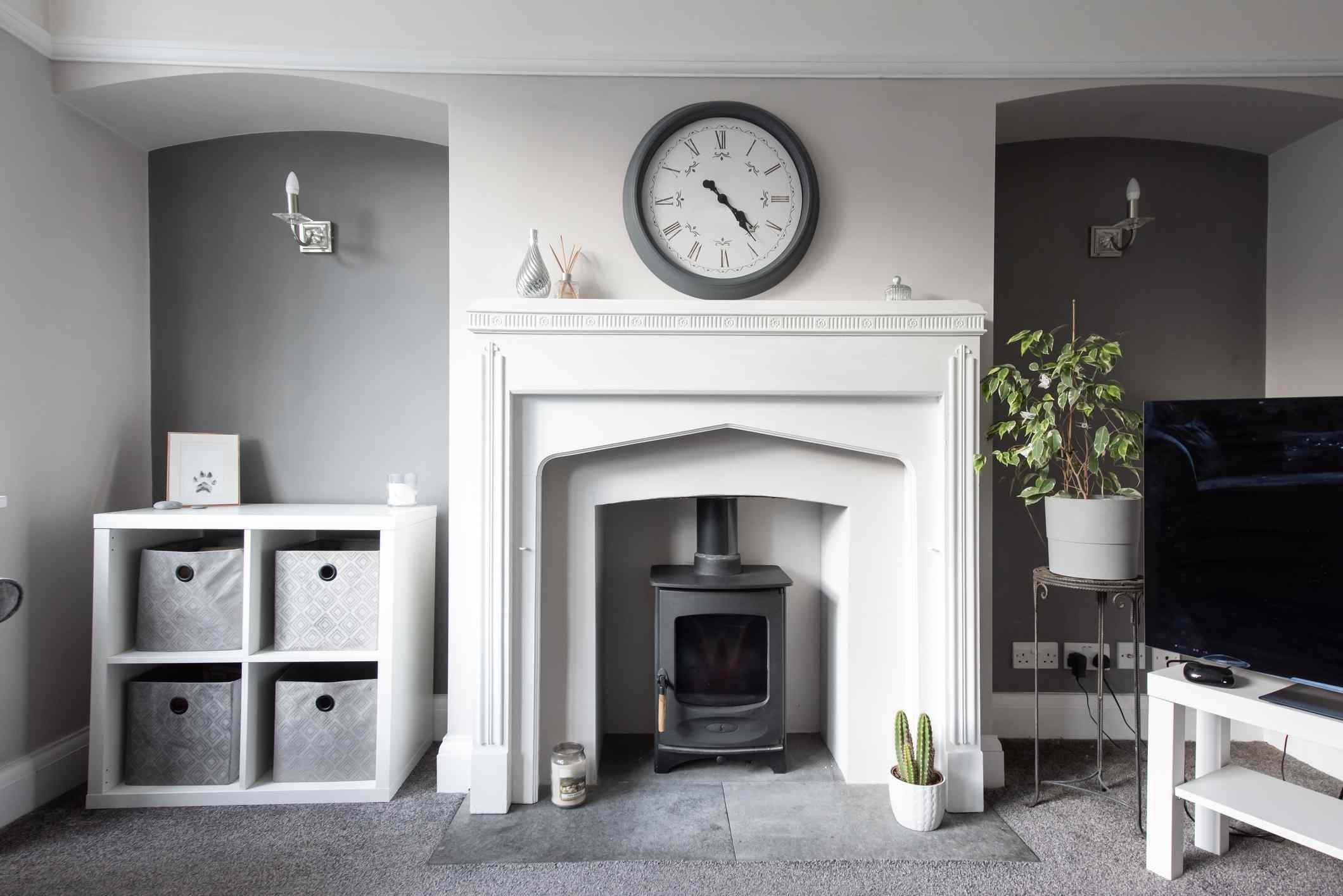
Gray and white, like black and white, can fall flat if not executed carefully. Scheck notes that without contrast or warmth, this combination can make a room feel uninspired and lifeless. The solution? Embrace richer, warmer neutrals instead of relying solely on cool grays.
Brown and Red: Overwhelming Combinations
Pairing brown and red is another risky move. Both are dominant colors that can easily overwhelm a space when used together heavily. Scheck suggests using one at a time: red as an accent color and brown with softer, more muted tones.
Gray and Yellow: A Dated Trend
Designer Michelle Gage identifies gray and yellow as a particularly dated combination. “It feels very 2014,” she says, emphasizing the importance of avoiding trends that scream a specific era. Timelessness is key: choose colors that won’t feel instantly out of style.
Pink and Gray/Black: Overly Literal and Juvenile
Color consultant Katie Webster points to pink and gray as a combination that had its moment in the early 2010s but now feels “overly literal and juvenile.” Pink and black is similarly outdated, evoking a teen room aesthetic from the mid-2000s. Both pairings have passed their prime, so it’s best to move on.
The Takeaway
Avoiding these color combinations doesn’t mean sacrificing style. The key is balance, warmth, and timelessness. Designers suggest focusing on richer neutrals, strategic accents, and avoiding trends that feel too tied to a specific moment in time. The goal is to create a space that feels inviting and visually appealing—not stuck in the past.