Soap scum—that stubborn, chalky residue in your bathroom—isn’t just unsightly; it’s a mixture of soap, hard water minerals, and grime that hardens over time, potentially fostering mold and mildew growth. While scrubbing might seem like the only option, professional cleaners use targeted methods to dissolve buildup without endless effort. Here’s how to tackle soap scum on every bathroom surface, from glass to grout.
Glass Shower Doors: The Clear Case
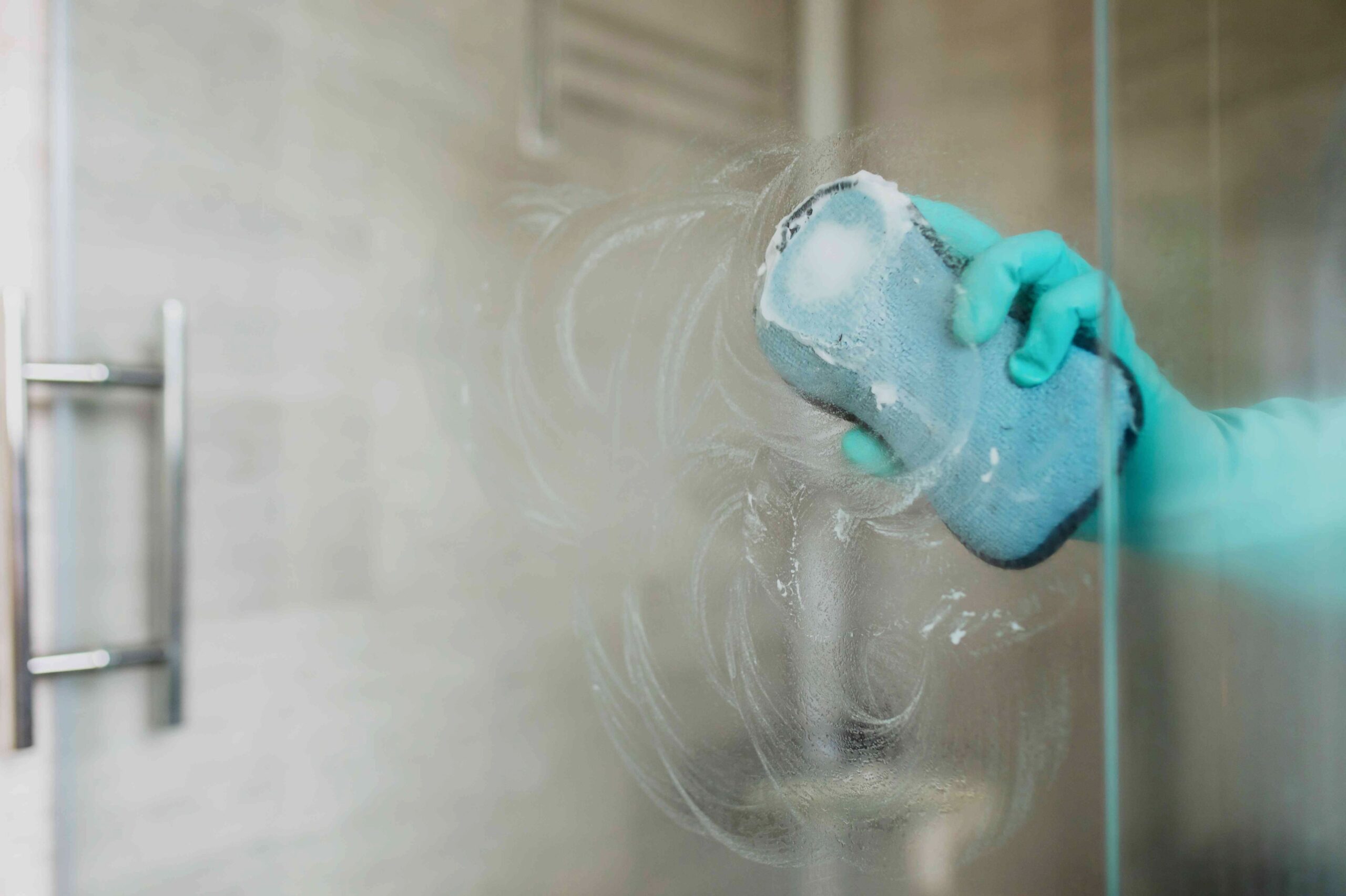
Glass shower doors showcase soap scum most visibly. To dissolve it effectively, cleaning expert Trish Duarte recommends two simple yet powerful solutions:
- A thick paste of 1 cup baking soda, ¼ cup dish soap, and ¼ cup water.
- A spray made with 2 tablespoons dish soap, 2 tablespoons washing soda, 10 drops tea tree oil, and 1 tablespoon rubbing alcohol.
Apply either solution, let it sit for 10–15 minutes, then scrub gently in circular motions. Rinse thoroughly with warm water and dry with a towel or squeegee.
The science behind this is straightforward: baking soda gently lifts scum, while dish soap breaks down grease. Washing soda further saponifies fats (turning them into soap for easier removal), and alcohol prevents streaks.
Tile and Grout: Where Scum Hides
Porous grout and textured tile trap soap scum where water lingers. To combat this, Duarte suggests a paste of baking soda and 3% hydrogen peroxide. Apply, let it bubble for a few minutes, then scrub with a soft brush or toothbrush before rinsing.
The combination works because hydrogen peroxide reacts with baking soda to lift grime and brighten grout. Baking soda also provides mild abrasion, and peroxide kills mold.
Bathtubs: Tackling the Waterline
Soap scum collects around bathtubs where bath products and water mix. A simple baking soda paste is effective here. Scrub with a non-scratch sponge or melamine foam (like a Magic Eraser) and rinse well.
For weekly maintenance, a mix of dish soap and water is enough to prevent buildup.
Drains, Faucets, and Hardware: The Tight Spots
Soap scum, hair, and grime accumulate in tight corners. Use baking soda paste with a toothbrush to reach these areas. For extra cleaning power, mix baking soda with 3% hydrogen peroxide for a bubbling effect that loosens buildup and deodorizes.
Natural Stone: Gentle is Key
Natural stone like marble or granite requires a gentler approach to avoid damage. Start with castile or dish soap and water applied with a soft sponge or cloth. Rinse and dry thoroughly. For sealed stone, add a teaspoon of washing soda for extra degreasing power.
The key takeaway: Soap scum doesn’t require hours of scrubbing. By understanding the chemical interactions between common household ingredients and grime, you can dissolve buildup quickly and efficiently, keeping your bathroom clean with minimal effort.