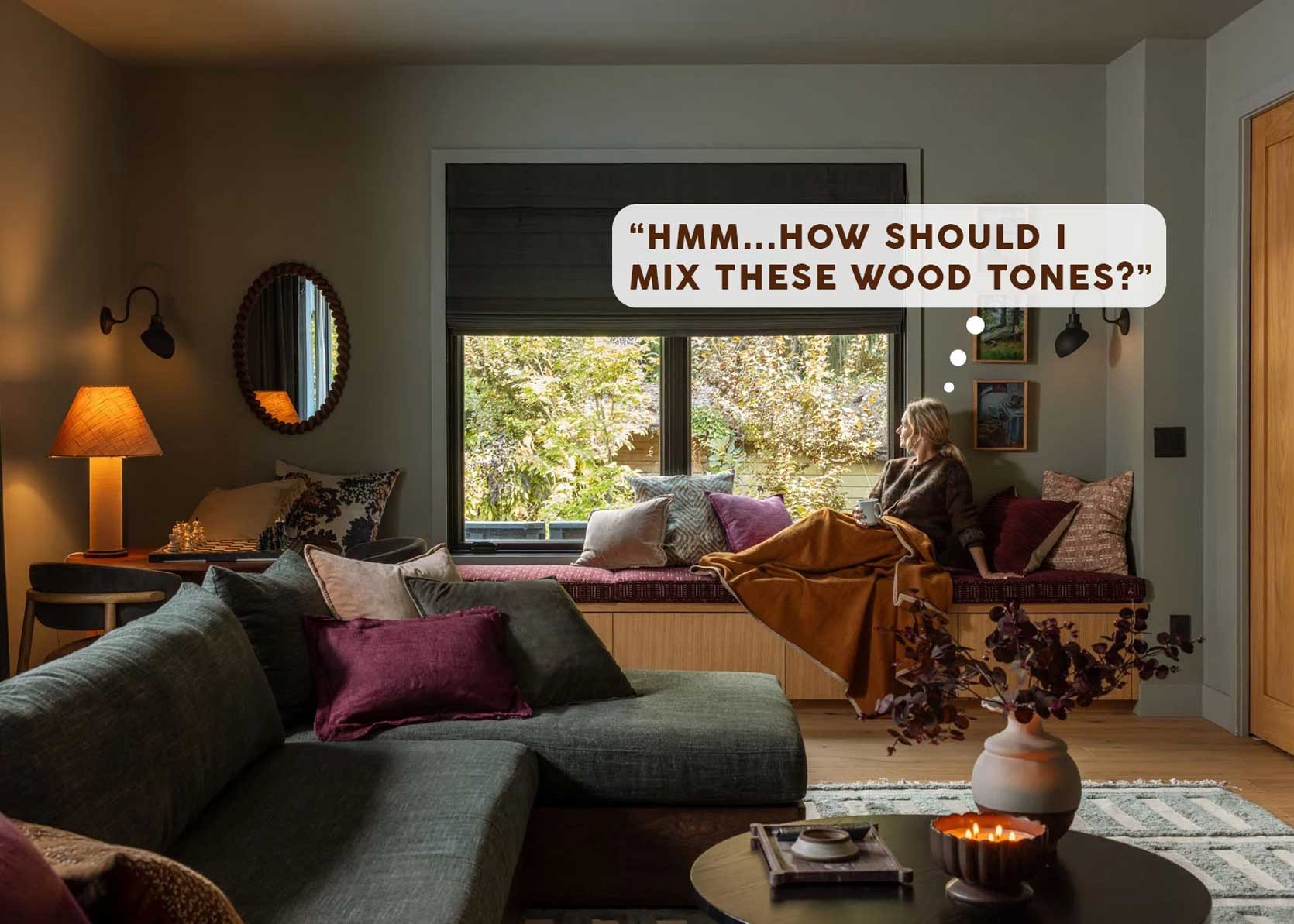
Mixing wood tones in your home doesn’t have to be daunting. Many homeowners assume it’s best to stick with one shade, but a well-executed mix can add depth, personality, and visual interest. The key is to approach it intentionally, rather than haphazardly combining mismatched pieces. This guide breaks down the essential principles, offering a clear path to achieving a balanced and inviting space.
Establishing Harmony: The Core Principles
The most common fear in home design is that mixing wood tones will look chaotic or unplanned. This is a valid concern, but easily avoidable. The core concept is to treat wood tones like a color palette, applying balance and intention. Here are the five rules to follow:
- Dominant Tone: Designate one wood tone as the primary element – typically floors or major furniture pieces. This should comprise roughly 60% of the wood in the room.
- Temperature Matching: Ensure wood tones stay consistent in temperature (cool, warm, or neutral). Mixing warm woods with cool woods can feel jarring. Neutral tones can bridge the gap.
- Strategic Contrast: Introduce variations in lightness and darkness within the same temperature family. For example, pair walnut with white oak, or cherry with red oak.
- Black or White as Connectors: When you can’t control existing wood tones (like floors), use black-stained or white-painted wood pieces to tie everything together.
- Rugs as Dividers: If tones clash, use rugs to create visual separation between furniture and floors. This is especially useful when working with inherited pieces or unchangeable architectural elements.
Real-World Applications: Examples from Interior Design
These principles aren’t just theoretical; they work in practice. Let’s examine a few examples:
- Warm Tone Harmony: In Emily Henderson’s Portland Project, warm walnut tones in the coffee and side tables complement the wood in armchairs and floors. Lighter frames add neutral contrast without disrupting the overall warmth.
- Black as a Bridge: The same project uses black-stained chairs to break up excessive brown tones and add visual interest. This technique works effectively with a variety of wood shades.
- Layered Warmth: A living room designed by Emily Henderson for her brother features a mix of walnut, mid-tone woods in furniture, and painted cabinets. The consistency in warmth ties the space together.
- Cool Tone Solution: Designer Fariha Nasir worked with existing cool-toned floors by balancing them with creamy white cabinets. This demonstrates that even with unchangeable elements, harmony is achievable.
The Importance of Intentionality
The key takeaway is that mixing wood tones isn’t about avoiding rules, but about understanding them. By establishing a dominant tone, matching temperatures, and using contrast strategically, you can create a cohesive look. If you’re unsure about mixing tones in a space, don’t be afraid to experiment. A rug can always bridge the gap between pieces that don’t quite match, making the process low-risk and high-reward.
Ultimately, a well-mixed wood palette adds personality and depth to your home, making it feel more curated and inviting.