Many gardeners find themselves wondering if it’s too late to prepare their gardens for the cold months. While some plants are naturally equipped to withstand winter, others require assistance to survive until spring. The key is understanding when and how to act, especially if you’ve delayed winterizing.
Why Winter Preparation Matters
Plants don’t simply “shut down” in winter. They continue vital processes underground, like root growth, while above-ground activity slows. Protecting plants now—even late in the season—can prevent damage like dried-out needles, bud loss, and poor spring growth. This is especially critical for newly planted or marginally hardy species.
What Can Still Be Saved?
The window for winterizing closes as temperatures drop and frosts arrive. For annuals and tropicals already exposed to frost, recovery is unlikely. However, perennials and woody plants still have a chance. Plant expert Helene Drozd emphasizes that time is still available for plants on the edge of hardiness or those vulnerable to windburn.
Last-Minute Winterizing Steps
If you’re behind schedule, focus on these essential actions:
1. Continue Watering
Even as temperatures fall, plants still need moisture. Dryness is a major cause of winter burn, particularly in evergreens, which lose water slowly through their needles. Water deeply as long as the ground remains unfrozen; in warmer regions, this may mean continued watering throughout winter.
2. Refresh Soil with Compost and Mulch
A layer of compost or mulch provides insulation and protects roots. For roses or other plants that may not be fully hardy, mounding loose material around the base is beneficial. Wait until temperatures are consistently above 40°F (4°C) for optimal results.
3. Protect Potted Plants
Pots expose roots to colder temperatures than the ground. Moving pots to sheltered locations and wrapping them with insulation (bubble wrap, blankets) can prevent breakage and root damage. Tender herbs and flowers can be brought indoors, but do so before the first frost.
4. Erect Windbreaks
Hardy shrubs and trees generally don’t need wrapping, but wind can still cause dehydration. Installing burlap screens between posts creates a barrier against drying winds, protecting evergreens without direct covering.
5. Deter Pests
Deer and rabbits can cause significant damage, especially to young trees. Fencing or tree guards reaching the lowest branches are effective deterrents. Protecting saplings now is crucial for their survival.
6. Final Cleanup
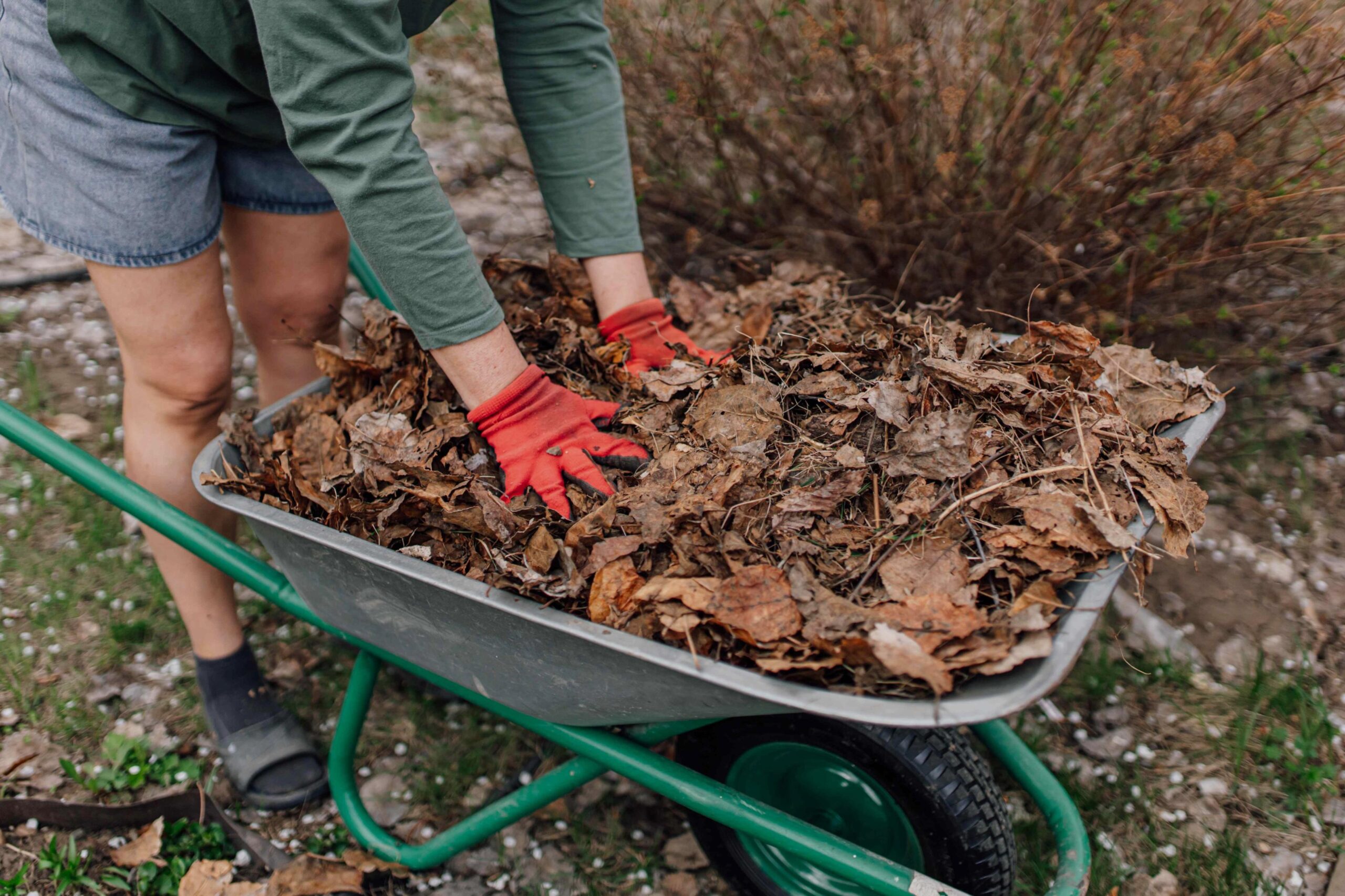
Remove dead foliage and debris to reduce pest and disease risks over the winter.
Ultimately, while proactive preparation is ideal, many plants can still benefit from late-season winterizing. Taking these steps now can significantly improve their chances of thriving in spring.