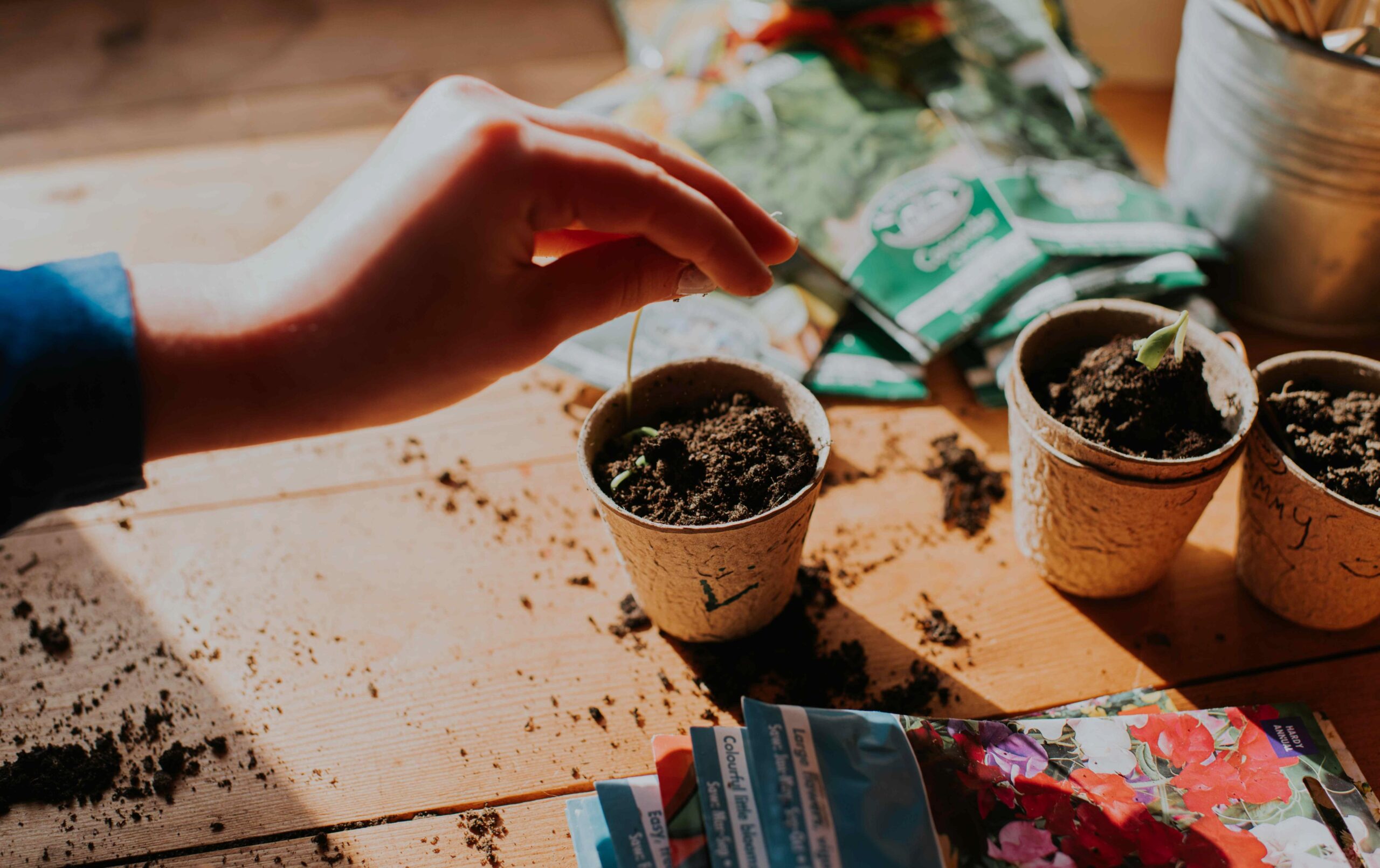
Growing flowers from seed is a rewarding and cost-effective way to fill your garden with blooms. Seed packets are cheaper than buying established plants, and a single packet can yield far more flowers. Starting seeds indoors in February is the ideal way to get a head start, but timing is key —it depends on your region’s last frost date.
Why Start Seeds Indoors?
The primary benefit of indoor seeding is control over the growing environment. You avoid unpredictable spring weather, and seedlings develop stronger roots before facing outdoor conditions. This is particularly important for gardeners in colder climates (like USDA Zone 6) where the risk of late frosts is higher.
Choosing the Right Seeds
Not all seeds are created equal. Some flowers thrive when directly sown into the ground, while others benefit from indoor starting. Here are 10 popular choices to begin in February:
- Snapdragons: These classic garden flowers prefer cooler temperatures and early starts.
- Petunias: A favorite for hanging baskets and borders, they need a long growing season.
- Marigolds: Easy to grow and pest-repellent, marigolds do well with indoor starting.
- Lobelia: These tiny, vibrant flowers fill gaps in beds and containers.
- Salvia: Attracts pollinators and comes in a range of colors, best started early.
- Pansies: Cold-hardy and cheerful, pansies can even be sown outdoors in mild zones.
- Sweet Alyssum: Low-growing and fragrant, sweet alyssum makes a lovely border plant.
- Zinnias: These bright, bold flowers need warm weather but benefit from indoor starting.
- Cosmos: A cottage garden staple, cosmos is easy to grow from seed.
- Ageratum: Fluffy, blue flowers that attract butterflies, best started indoors for early bloom.
Frost Dates and Growing Zones
The USDA Plant Hardiness Zone Map divides North America into regions based on average minimum winter temperatures. Knowing your zone is critical for timing your seed starts.
- In warmer zones (like USDA 9), where the last frost occurs in February, you can directly sow many seeds outdoors.
- In colder zones (like USDA 6), where the last frost is in April, starting seeds indoors in February ensures healthy seedlings ready for transplanting when the weather warms