A severe snowstorm is on the horizon, and proactive home protection can prevent costly damage from freezing temperatures. The primary risks involve burst pipes, heat loss, and structural issues caused by ice buildup. Taking steps now minimizes potential emergencies.
Protecting Your Plumbing
Outdoor fixtures are most vulnerable. Disconnect and store garden hoses, then shut off water to exterior faucets and drain the lines. Insulating hose bibs provides extra protection.
Indoor pipes running through exterior walls require monitoring. Ensure wall insulation meets recommended standards for your region. If pipes are exposed, consider insulating them directly. A slow drip from faucets on exterior walls can prevent freezing during extreme cold, but remember to open both hot and cold lines. Leaving cabinet doors open allows warmer air to circulate.
Sealing Air Leaks
Small gaps where cables or phone lines enter your home allow cold air in and heat out. Seal these openings with spray foam insulation. Caulk or weather stripping should be used around doors and windows to eliminate drafts. This should be an annual maintenance task in colder climates.
Boosting Insulation
Adequate insulation is crucial. Check exterior walls, crawl spaces, basements, and attics. Your energy utility company may offer free audits to assess your home’s energy efficiency and suggest improvements. Increasing the R-value of walls and ceilings to recommended levels will reduce heating costs and prevent pipe freezing.
Emergency Preparedness
Locate and test your main water shut-off valve. Clear obstructions to ensure quick access in an emergency. Everyone in the household should know where it is and how to use it. If the valve is corroded or doesn’t close fully, replace it with a professional plumber’s help.
Keep a meter key handy to shut off water at the meter if the main valve fails. Know your city’s regulations; some areas require reporting emergencies to the water department directly.
Preventing Ice Dams
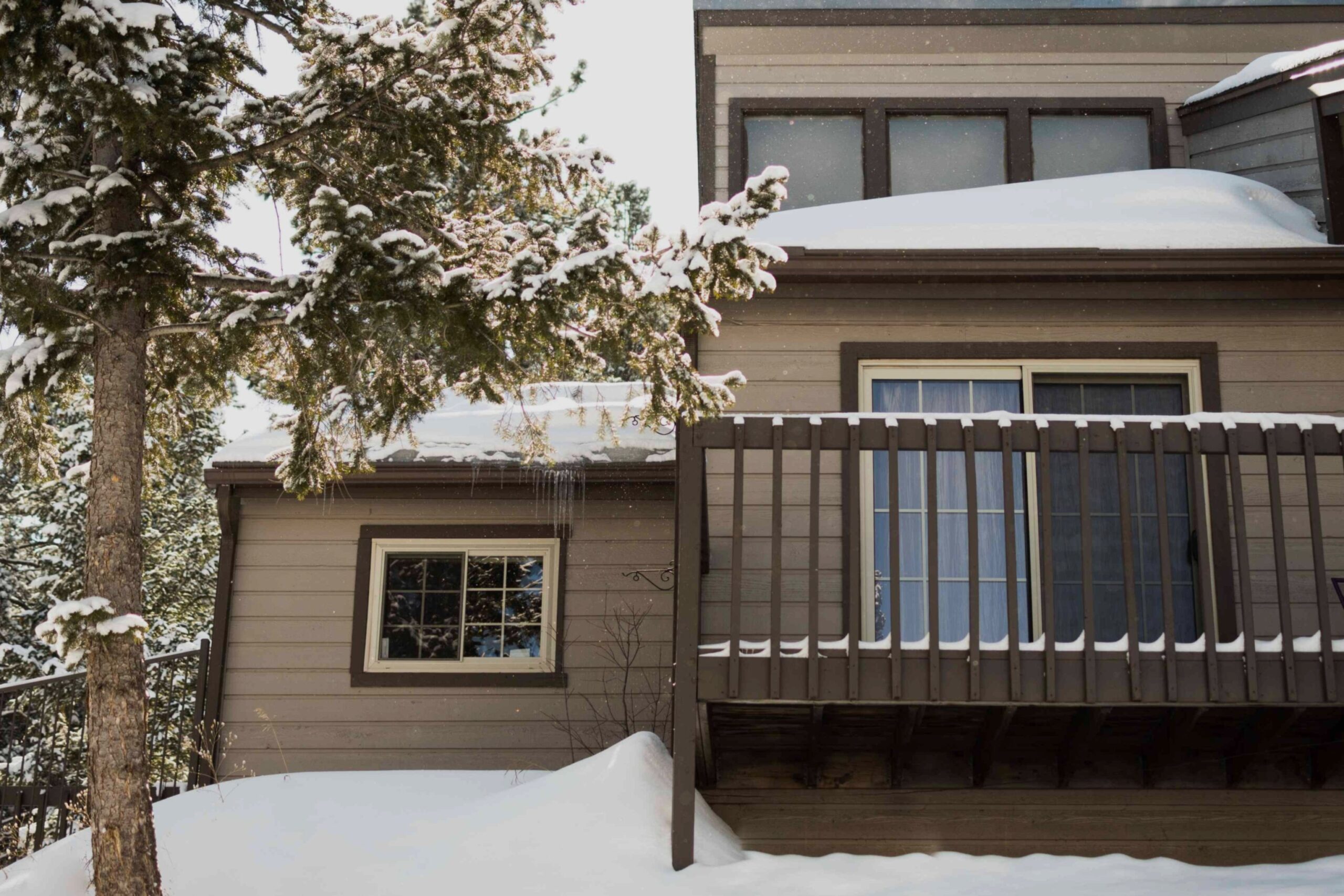
Proper attic ventilation prevents ice dams. Inspect soffits and vents, ensuring they aren’t blocked by insulation. Free airflow prevents snow from melting and refreezing at roof edges, which can cause leaks and structural damage.
Vacation Preparation
If leaving for extended periods, shut off the water supply entirely and drain the plumbing system. Consider installing a freeze alarm that sends alerts if temperatures drop to dangerous levels; these devices cost $50–$300 but provide valuable peace of mind.
Finally, verify your homeowner’s insurance covers freeze-related damage.
Effective winter preparation isn’t just about comfort; it’s about avoiding costly repairs and ensuring your home remains safe throughout the coldest months.