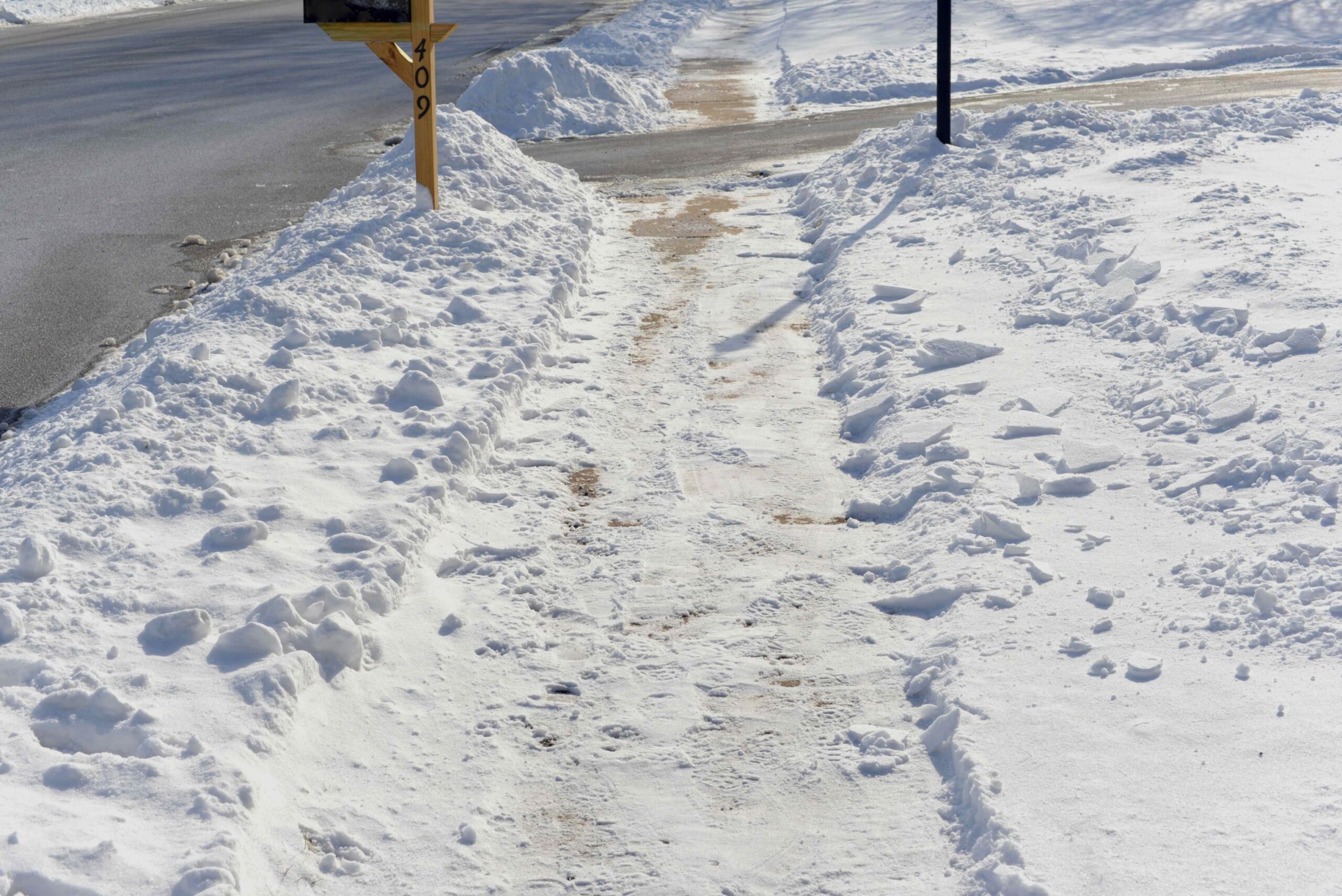
Many homeowners seek alternatives to harsh salts and chemicals for melting ice on driveways, especially considering pet safety and potential environmental impact. Vinegar, surprisingly, emerges as a common DIY solution, but its effectiveness hinges on specific conditions and application methods.
How Vinegar Works on Ice
The key lies in acetic acid, the active compound in vinegar. When mixed with hot water (a 1:1 ratio is recommended), this solution lowers the freezing point of water, helping to break the bond between the ice and the driveway surface. Experts like Gene Caballero from GreenPal confirm that this method is viable, though not a universal fix.
The process doesn’t simply vaporize ice; it creates a slushy consistency, requiring immediate removal with a shovel to prevent refreezing. Leaving the slush can negate any initial progress.
When Vinegar Works Best
Vinegar-based de-icing is most effective under these conditions:
- Temperature Above 28°F: Colder temperatures reduce vinegar’s efficacy, making traditional de-icers a better choice.
- Thin Ice Layers: Vinegar struggles with thick or deeply frozen ice; it’s best for lighter accumulations.
- Immediate Shoveling: The slushy residue must be cleared promptly to avoid re-freezing.
It’s critical to understand that vinegar is not a substitute for commercial ice melts in severe conditions.
Potential Drawbacks and Precautions
While natural, vinegar isn’t without risks. The acetic acid can damage driveway surfaces with overuse. Limit application to when necessary, and maintain the recommended water-to-vinegar ratio.
Furthermore, vinegar is toxic to plants. Avoid runoff near landscaping to prevent accidental damage. (This is why many gardeners use it as a natural weed killer.)
Alternatives When Vinegar Fails
When temperatures plummet or ice buildup is substantial, consider these proven alternatives:
- Rock Salt (Sodium Chloride): Effective but corrosive; use sparingly.
- Calcium Chloride: Lower freezing point, works at colder temps, but also corrosive.
- Magnesium Chloride: Gentler on concrete and plants than other salts.
- Sand or Gravel: Provides traction rather than melting ice.
In conclusion, vinegar can be a useful, eco-friendly option for light ice removal under favorable conditions. However, it’s not a one-size-fits-all solution, and understanding its limitations is crucial for effective and safe driveway maintenance.