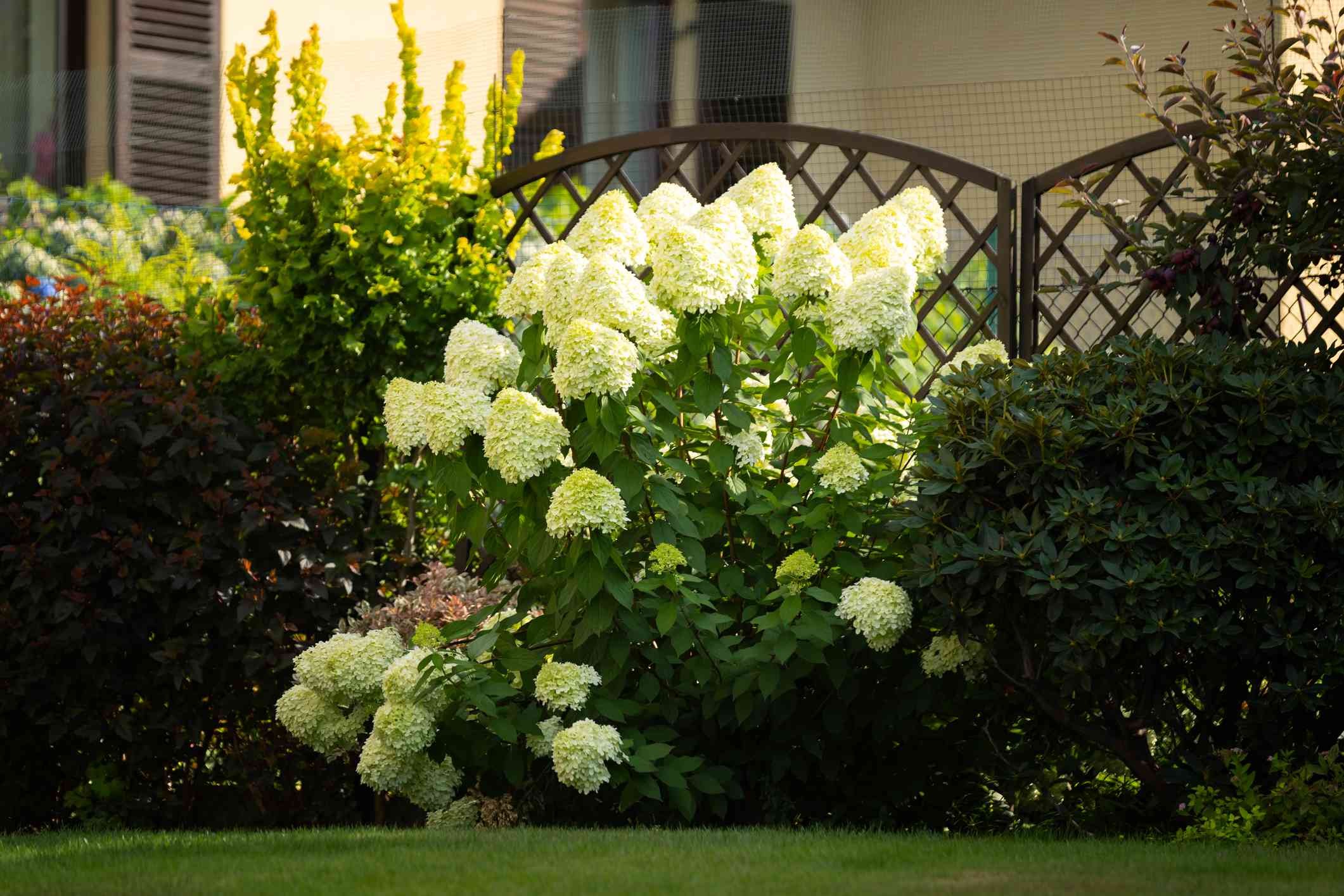
Limelight hydrangeas (Hydrangea paniculata ‘Limelight’) are prized for their showy, cone-shaped blooms. However, maintaining their health and maximizing flower production requires proper pruning. This guide explains when and how to prune these fast-growing shrubs for the best results.
Why Prune Limelight Hydrangeas?
These hydrangeas grow quickly—adding up to two feet yearly—and pruning is essential for managing their size and encouraging robust flowering. Without regular trimming, growth becomes leggy, blooms diminish, and air circulation suffers, increasing susceptibility to disease. Pruning isn’t just about aesthetics; it’s about plant health.
The Best Time to Prune
Limelight hydrangeas bloom on new wood—growth produced in the current season. This means you can prune them heavily in late winter or early spring, before new buds swell. Waiting too long risks cutting off potential blooms. Unlike other hydrangea varieties that flower on old wood, these can withstand more aggressive pruning.
How to Prune Effectively
Follow these steps for optimal results:
- Use sharp, sterile tools: Clean pruners prevent disease spread.
- Limit pruning to one-third: Removing more than this can stunt flowering.
- Cut above leaf nodes: This encourages growth in the desired direction.
- Remove crowded branches: Thinning improves air circulation and light penetration.
- Deadhead spent blooms: Cut just below the flower head to encourage new growth.
- Angle cuts at 45 degrees: This prevents water accumulation and reduces disease risk.
- Balance strong vs. abundant blooms: Pruning to favor larger flowers on main branches can reduce the overall number of blooms, so adjust pruning based on preference.
Encouraging Healthy Growth: 7 Key Tips
- Start early: Prune young shrubs to shape them while they’re manageable.
- Prune in cooler hours: Morning or late afternoon minimizes plant stress.
- Leave some autumn blooms: These provide winter interest and can be removed during spring pruning.
- Make angled cuts: Ensures proper drainage.
- Prioritize strong branches: These produce bigger blooms.
- Sanitize tools: Crucial for preventing disease.
- Avoid over-pruning: Stick to removing no more than one-third of growth.
Preventing Drooping: The Role of Pruning
Proper pruning establishes a strong, supportive structure that prevents hydrangeas from falling over. Weak, unpruned branching leads to drooping and stress. Structural pruning from a young age is key.
Hydrangea Species & Pruning Differences
While pruning methods are similar across hydrangea types, timing differs. Limelight blooms on new wood and thrives with late-winter/early-spring pruning. Other hydrangeas (Bigleaf, Oakleaf, etc.) bloom on old wood and should be pruned after flowering.
Pruning Limelight hydrangeas is not just about aesthetics; it’s about ensuring the plant’s health and maximizing its impressive blooms. By following these guidelines, gardeners can enjoy vibrant, well-shaped shrubs year after year.