The debate between open-concept and closed-off living spaces has a surprising middle ground: the “broken floor plan.” This hybrid approach is gaining traction among designers and homeowners who want the benefits of both worlds—connectivity without complete exposure. Unlike fully open layouts, broken floor plans use architectural features or design elements to subtly divide spaces, offering a balance of privacy, flexibility, and visual interest.
What Defines a Broken Floor Plan?
A broken floor plan isn’t about walls in the traditional sense. Instead, it relies on intentional divisions – partial walls, glass partitions, level changes, or even just strategic furniture arrangements. According to principal designer Samantha Pratt, it’s about “marrying the modern approach of an open floor plan with subtle separations.” This means rooms flow into one another, but aren’t entirely exposed.
The appeal is clear: broken floor plans provide better sound control than fully open designs, and more structure than completely open spaces. They allow for tailored zones – a quiet reading nook behind a bookshelf, or a semi-private home office created with a slatted divider – while still maintaining a sense of connection.
Broken vs. Open: Key Differences
The choice between these layouts hinges on lifestyle and preferences. Here’s how they compare:
- Broken Floor Plans: Offer a blend of connection and separation, provide better sound control, and offer more structural definition.
- Open Floor Plans: Feature minimal barriers, with seamless transitions between rooms and a completely unobstructed flow.
While open concepts emphasize a free-flowing feel, broken plans introduce a deliberate sense of zoning without resorting to full walls. This makes them ideal for homes where privacy or functionality is a priority.
How to Maximize a Broken Floor Plan
Making a broken floor plan work requires thoughtful design. The key is cohesion. Elizabeth Vergara, a design-build founder, stresses the importance of “consistent flooring and a complementary color palette” to unify the space. Strategic furniture placement is also crucial.
Consider these tips:
- Visual Pathways: Use large statement lighting to draw the eye between rooms, creating a sense of flow.
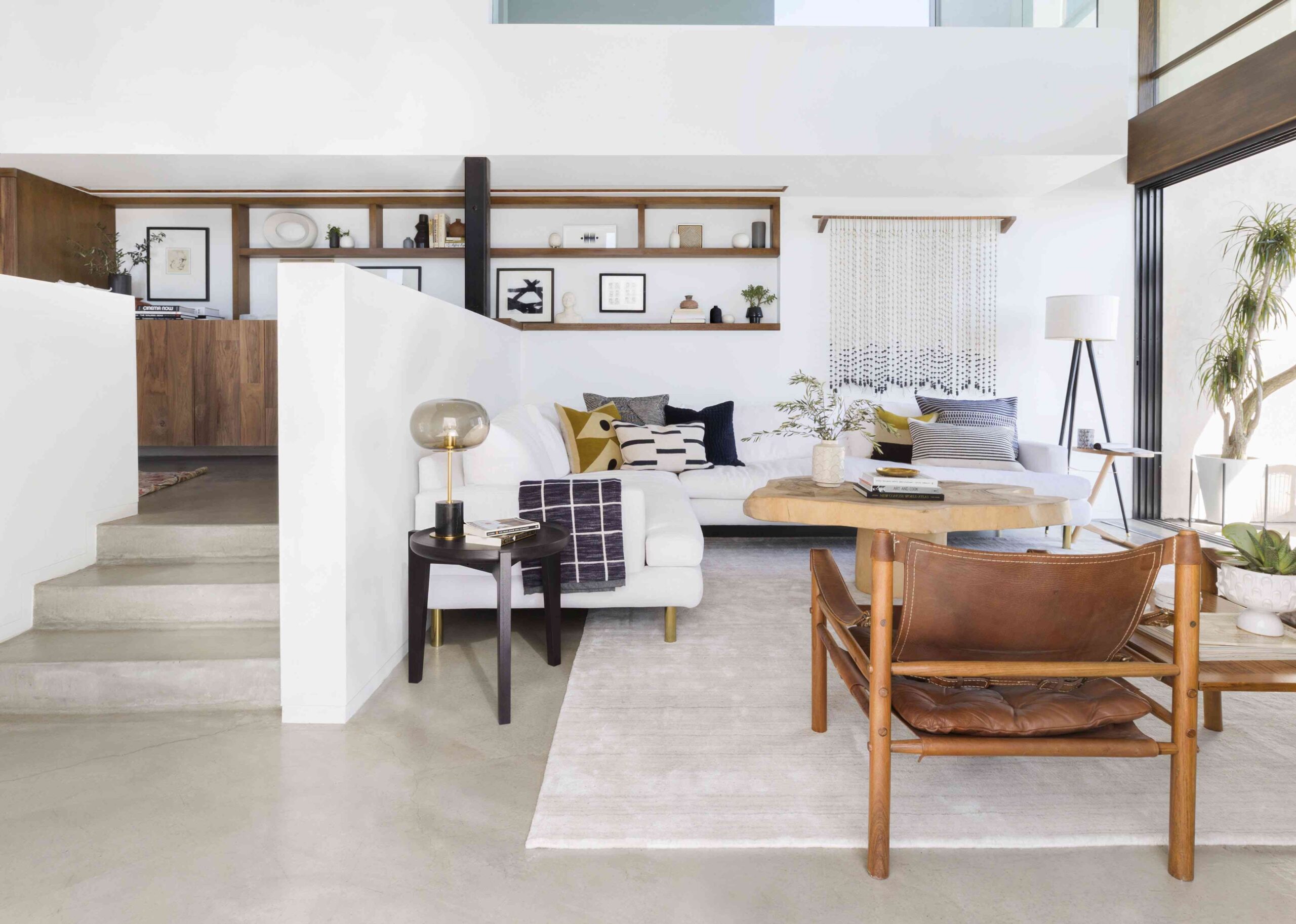
- Defined Zones: Employ partial walls, glass partitions, or built-in shelving to subtly separate areas without closing them off.
- Layered Lighting: Introduce ambiance and functionality by layering lighting throughout the space.
- Consistent Elements: Carry similar colors, textures, and design motifs from room to room.
Examples in Practice
Successful broken floor plans demonstrate how to balance openness and privacy:
- Sitting Room & Bedroom: Use cohesive wallpaper, textiles, and color palettes to tie together shared and private spaces.
- Kitchen & Dining: A hallway can connect and divide, while statement lighting creates a visual pathway.
- Living Room & Kitchen (Multi-Level): Different levels can be connected visually through consistent elements, lighting, and a cohesive color scheme.
The goal is to balance being connected but staying intentional.
In conclusion, broken floor plans offer a versatile solution for those seeking the best of both worlds: the social benefits of open living with the privacy and definition of more traditional layouts. By prioritizing cohesion, strategic zoning, and thoughtful design, homeowners can create spaces that are both functional and inviting.