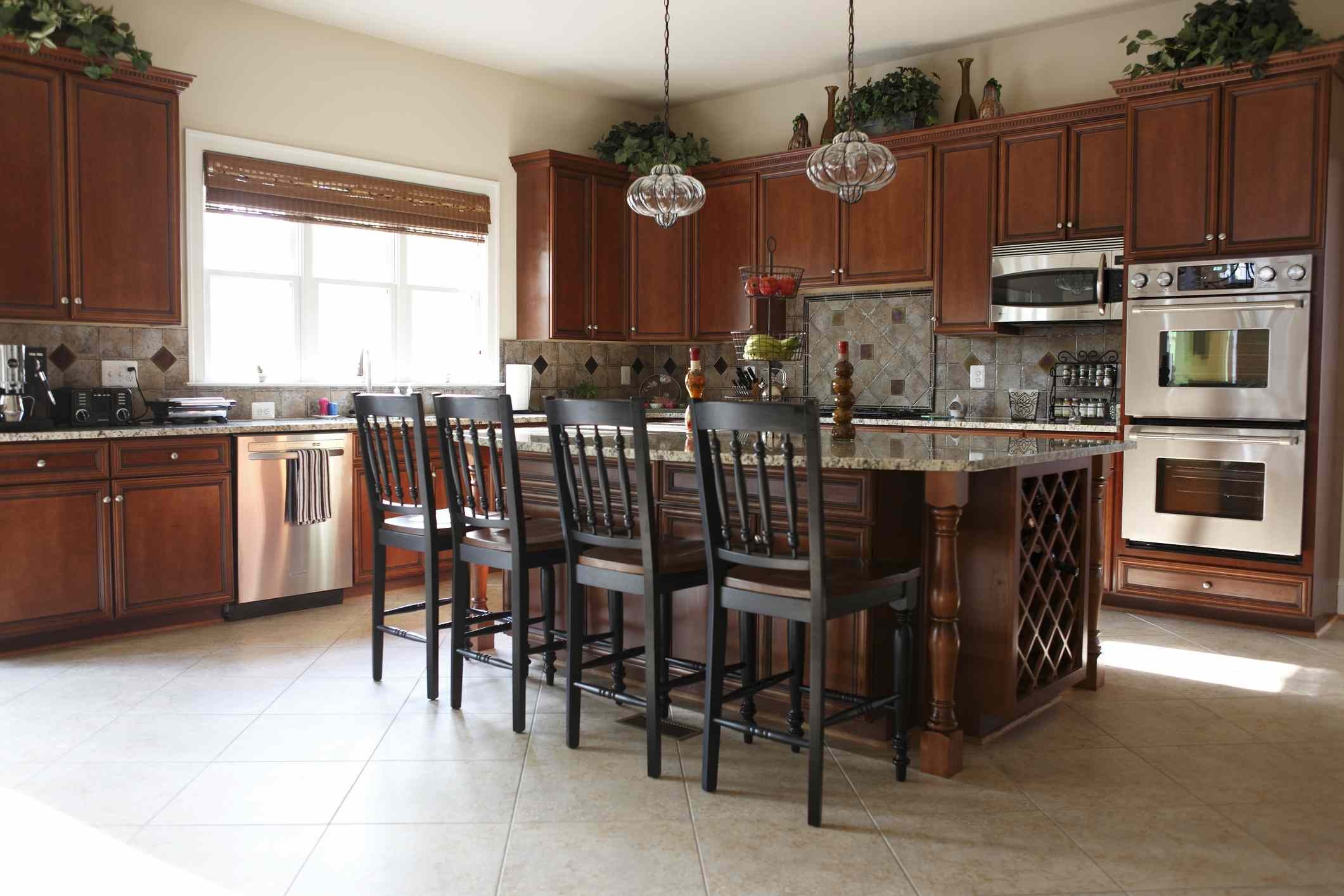
Despite shifting interior design trends, the kitchen island remains a permanent fixture in residential architecture. While specific stylistic choices may fade, experts agree that the island’s functional utility ensures its longevity. It is no longer just a countertop extension; it is the structural and social anchor of the modern home.
Why the Island Endures: Function Over Form
The primary reason the kitchen island will not go out of style is its versatility. Christopher Tucker, a principal at MODE4 Architecture, describes the island as the “workhorse” of the kitchen. It serves multiple critical roles simultaneously:
- Service Space: A dedicated area for food preparation and plating.
- Landing Zone: A practical spot for dropping keys, mail, or groceries.
- Social Hub: A natural gathering point that connects cooking, dining, and living areas.
Tucker notes that the island acts as the “center of gravity” within the room. It organizes circulation patterns and defines the relationship between different zones of the home. For most homeowners, a single, well-designed island is the standard for a functional layout.
Adapting to Space Constraints
While the island is a staple, it is not universally applicable. In extremely small kitchens, an island may compromise necessary floor space. However, designers suggest creative alternatives for those who need the function but lack the square footage for a built-in unit:
- Rolling or Standalone Units: Mobile islands can provide additional storage and prep surface without permanent installation.
- Repurposed Furniture: Interior designer Danielle Flax suggests that for larger kitchens or minimalist spaces where extra cabinetry is unnecessary, a large antique table can serve as an elegant island. This approach adds character and warmth while maintaining utility.
Design Trends That Are Fading
Although the concept of the island is timeless, specific design executions are becoming dated. As we move through 2026, experts identify two styles that are losing favor:
1. Overly Intricate and Multi-Level Designs
Complex, multi-tiered islands are falling out of favor. Tucker explains that current design preferences lean toward cleaner lines and intentional detailing. Two-tiered islands, once popular for creating visual separation between cooking and dining areas, are now often viewed as dated and visually cluttered.
2. Double Islands
Double islands are generally reserved for very large kitchens and often fail to provide proportional value. Tucker observes that in many double-island setups, one island becomes underutilized, serving merely as a secondary surface or table rather than a true working element. This can result in “unprogrammed” square footage that feels artificially filled rather than functionally integrated.
“If your kitchen only allows space for a singular island, don’t fret—you may not be getting much out of an additional one, even if you did have the square footage to justify it.” — Christopher Tucker
Conclusion
The kitchen island is here to stay, evolving from a simple storage unit into the central organizing element of the home. While trends like multi-level designs and double islands are receding, the core demand for a functional, social, and efficient workspace remains constant. For homeowners, the key is to prioritize clean, intentional design that fits the specific scale and needs of their space.