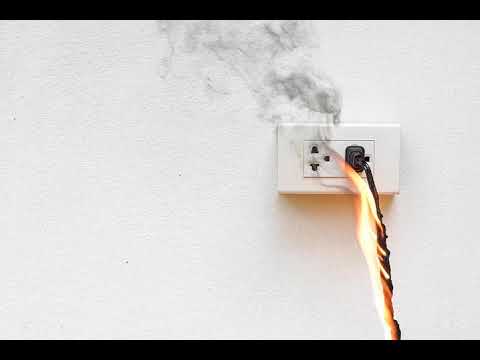
Voltage fluctuations inside buildings are a frequent issue, often manifesting as flickering lights, erratic appliance behavior, and strained motor sounds. While often dismissed as minor inconveniences, these fluctuations can significantly reduce equipment lifespan and increase maintenance costs. Many assume the problem lies with the utility company, but in reality, internal building systems frequently contribute. Understanding the causes is crucial for effective mitigation.
Why Voltage Fluctuations Matter
These fluctuations aren’t just annoying; they’re a service-quality issue that can erode the reliability of electrical systems. Repeated instability stresses components, leading to premature failure and higher expenses. The problem is often intermittent, making diagnosis difficult. This guide breaks down the common causes, from heavy equipment start-ups to poor wiring, and offers practical engineering solutions.
Common Causes of Voltage Fluctuations
Voltage fluctuations happen when electrical voltage deviates from its standard level. These variations can be subtle or dramatic, affecting sensitive electronics and damaging motors over time. Here are the primary culprits:
1. Heavy Electrical Loads Starting and Stopping
The most frequent cause: large devices like air conditioners, water pumps, elevators, and washing machines draw high current during startup. This sudden demand temporarily lowers voltage. When the device shuts off, voltage spikes. Multiple simultaneous starts worsen the effect.
2. Undersized Wiring and Distribution Systems
Many buildings have electrical systems designed to meet minimum code requirements, leaving little margin for error. Thin or long cables increase voltage drop under load, making fluctuations more frequent. Upper floors in high-rise buildings are particularly vulnerable.
3. Poor Electrical Connections
Loose or corroded connections in distribution boards, neutral connections, and outlets create resistance, causing localized voltage drops and intermittent fluctuations. These worsen over time due to thermal expansion and contraction.
4. Imbalanced Electrical Loads
In three-phase buildings, uneven distribution across phases causes instability. A heavily loaded phase experiences voltage drop, while the neutral voltage shifts. This often affects single-phase equipment, causing erratic behavior.
5. Utility Supply Variations
External power fluctuations due to peak demand, network switching, or transmission losses contribute to the problem. Buildings far from substations or at the end of distribution lines experience greater variation. Internal systems amplify these external issues if not designed robustly.
6. Power Factor and Reactive Loads
Motors, pumps, and HVAC systems draw reactive power, increasing current flow without adding useful power. This higher current leads to voltage drops and cable heating, making systems more sensitive to load changes.
7. Generator and UPS Issues
Buildings with backup generators or UPS systems may experience instability during changeovers due to improper synchronization, delayed switching, or voltage mismatches.
The Impact on Building Systems
Voltage fluctuations affect various systems differently: lights flicker, electronics reset, motors overheat, and elevators behave erratically. Fire and safety systems may trigger false alarms. Over time, this accelerates equipment wear and increases maintenance costs.
Diagnosing and Mitigating Fluctuations
Engineers use voltage loggers, power quality analyzers, and load studies to diagnose fluctuations. Monitoring voltage over time reveals patterns tied to equipment operation and external supply behavior.
Effective mitigation requires a multi-pronged approach: proper cable sizing, balanced phase distribution, dedicated circuits for heavy loads, soft starters for motors, and power factor correction systems. For sensitive equipment, localized voltage regulation may be necessary but should not replace system-level corrections.
Retrofitting Existing Buildings
Improvements are still possible in older buildings: tighten connections, redistribute loads, add capacitors for power factor correction, install soft starters, and upgrade transformers when needed. Targeted upgrades can resolve long-standing complaints without full system replacement.
Conclusion
Voltage fluctuations are a common but often overlooked electrical issue. Addressing them requires understanding the root causes—whether internal wiring problems or external supply variations—and implementing appropriate engineering solutions. Proactive diagnosis, careful design, and strategic retrofits can significantly improve building electrical reliability and reduce long-term maintenance costs.