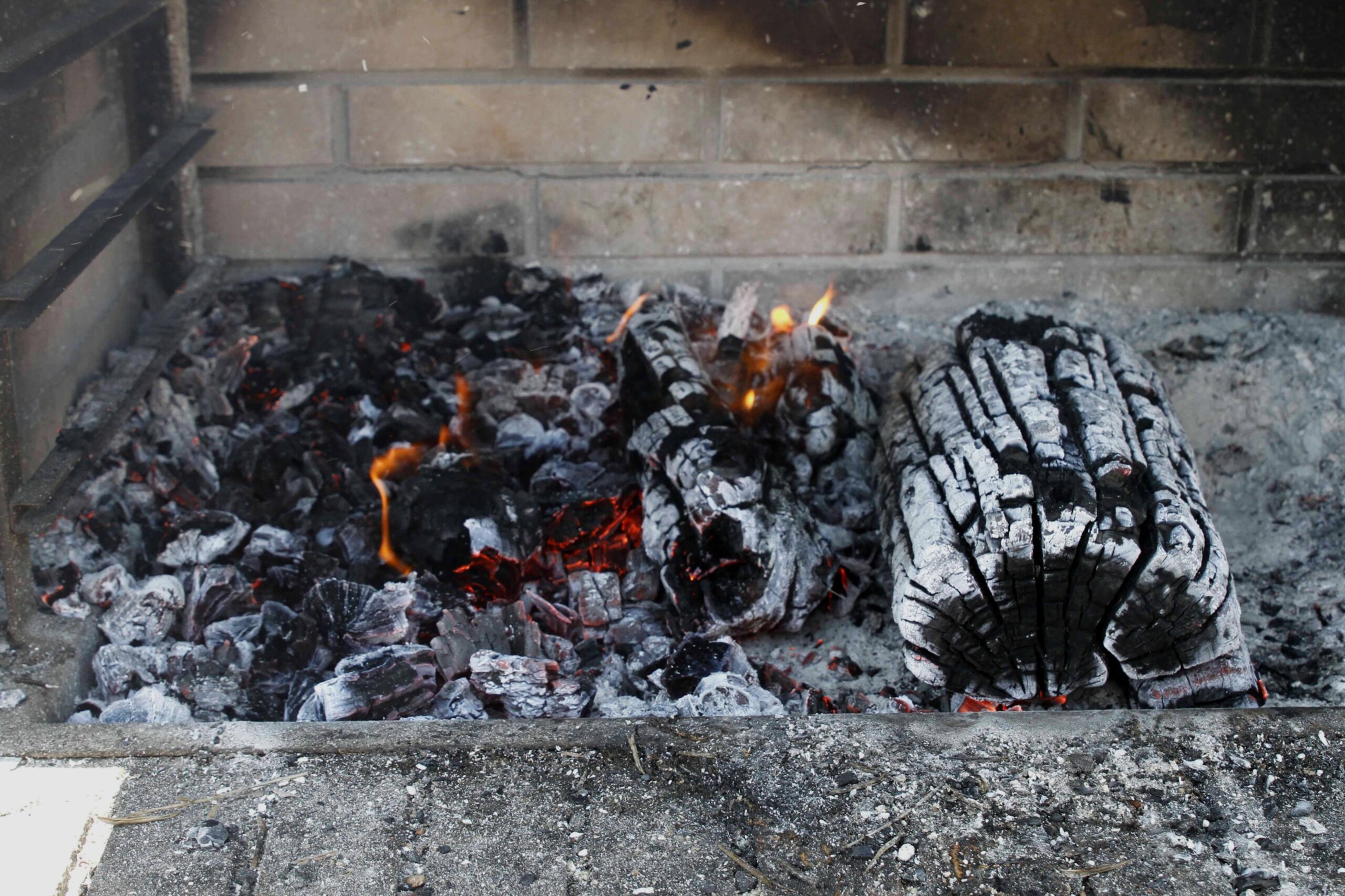
Many homeowners wonder what to do with fireplace ashes beyond discarding them. Surprisingly, wood ash can be a valuable garden amendment, but only when used correctly. Here’s how to leverage this resource without harming your plants.
Why Use Wood Ash?
Wood ash is naturally rich in essential plant nutrients, particularly potassium and calcium. Potassium is critical for fruit development and overall plant strength. However, ash is also alkaline, meaning it raises soil pH. This is a benefit if your soil is acidic but can be detrimental if it’s already alkaline.
Valeria Nyman, a gardening expert at Taim.io, explains: “Wood ashes are rich in potassium, which plants need to grow strong and set fruit. They’re also alkaline, so if your soil already leans that way, it’s not good.”
Avoid using ash from treated or painted wood, as these can introduce toxic chemicals into your garden. Wood ash lacks nitrogen, so it’s best suited for plants that don’t require high levels of this nutrient.
Which Plants Benefit?
Certain plants thrive in alkaline conditions. Asparagus, lilacs, and lavender are excellent candidates for wood ash application. Acid-loving plants like azaleas, blueberries, and rhododendrons will suffer if exposed to excessive alkalinity.
Understanding your soil’s pH is crucial. If you’re unsure, a simple soil test can provide valuable insights.
How to Apply Wood Ash Effectively
Moderation is key. Too much ash can harm plants, while too little yields no benefit. A general guideline is approximately one handful of ash per square yard of garden. You can either sprinkle it thinly and rake it into the soil or incorporate it into your compost pile.
Nyman recommends composting first: “Compost is a better option than direct application since ashes can neutralize acidic kitchen scraps, creating a more balanced pile. Just don’t go overboard—no more than 5% of the total compost mix.”
Avoid using ash as a winterizing agent. Fine ash particles can easily blow away, and any remaining residue can form a crust that hinders water and air penetration. Instead, work it directly into the soil.
Ryan Farley, CEO of LawnStarter, adds: “One important thing to remember about wood ash though is that it can burn your above-ground foliage and any new, young grass you may have sprouting. So, be sure to use it on mature grass and follow up any applications with a thorough watering to ensure it’s getting down into the soil.”
Quality Matters
Use only ash from untreated wood. Ideally, the wood should be locally sourced, though this isn’t essential. This ensures that the ash contains minerals native to your region, potentially benefiting your plants more effectively.
Wood ash is a sustainable way to recycle waste while improving garden health, but requires careful application. Ignoring pH balance or using contaminated ash can easily backfire.
By following these guidelines, you can safely and effectively use fireplace ashes to nourish your garden.