


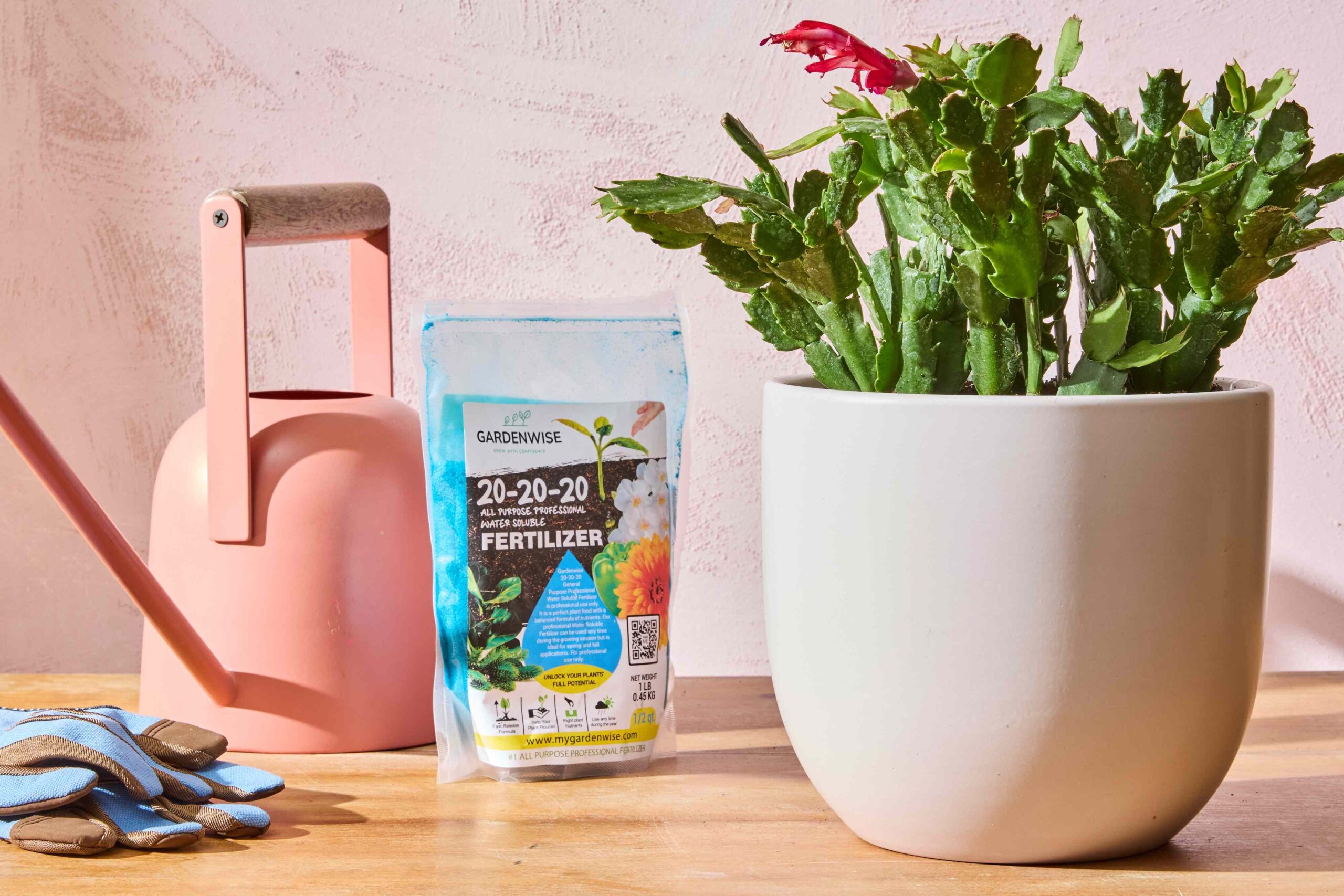
Many indoor gardeners wonder if they should continue fertilizing houseplants during winter. The answer isn’t simple, but the science behind it is clear: plants slow down or halt growth when light, temperature, and humidity drop, so their nutritional needs change too. Over-fertilizing in winter is common, and it can harm your plants.
Why Winter Slows Plant Growth
Plants rely on photosynthesis – the process where chlorophyll uses light to create energy. Shorter days and weaker sunlight mean less photosynthesis, and therefore, slower growth. If a plant isn’t growing much, it doesn’t need as many nutrients. Forcing nutrition into a dormant plant is like overfeeding someone who isn’t hungry. This can cause salt buildup in the soil, damaging roots and ultimately harming the plant.
Light is the Key Factor
According to industry expert Justin Hancock, the amount of light your plants receive is the biggest indicator of whether they need fertilizer in winter. More light equals more growth, and therefore, more need for nutrients. If your plants are getting minimal natural light, skip fertilizing until spring.
However, there are exceptions:
- Grow Lights: If you use grow lights for enough hours each day, you can fertilize at the same rate as spring or summer. Artificial light overrides seasonal changes.
- Bright Windows: Plants in direct sunlight (like a south-facing window) may still grow and benefit from reduced fertilization.
When to Hold Back
If your plants aren’t actively growing in winter, avoid fertilizing altogether. Excess fertilizer can lead to “fertilizer burn” – damage to roots caused by salt buildup. Wait until March or when days get longer before resuming regular feeding.
Practical Tips for Winter Fertilizing
- Read the Label: Every fertilizer is different. Always follow the manufacturer’s instructions, and remember that you can reduce the recommended amount, but never exceed it.
- Moist Soil First: Apply fertilizer only to already-moist soil to avoid root burn.
- Observe Growth: New leaf buds or stems reaching for light indicate your plant can benefit from fertilization.
- Watch for Over-Fertilization Signs: Browning leaf tips, wilting, or a white crust on the soil surface are warnings to stop fertilizing immediately.
The bottom line: winter is a time for rest for many houseplants. Unless they’re actively growing with strong light support, holding back on fertilizer is often the best approach. This ensures healthier plants when spring arrives.


