Bed bugs are a persistent nuisance, and homeowners often seek quick, do-it-yourself (DIY) solutions. Rubbing alcohol is a frequently suggested remedy, but how effective is it really? Pest control professionals confirm that alcohol does kill bed bugs on contact, but it’s not a foolproof solution for full-scale infestations. Here’s what you need to know, backed by expert advice.
How Rubbing Alcohol Works Against Bed Bugs
Rubbing alcohol, specifically isopropyl alcohol, kills bed bugs by dissolving their protective outer layer (exoskeleton) and causing rapid dehydration. The bugs die within seconds of direct exposure. However, the key limitation is that alcohol evaporates quickly, leaving no residual effect. Once dry, treated surfaces offer no further protection.
According to Georgios Liakopoulos, a pest control expert, the optimal concentration is 70% isopropyl alcohol. Higher concentrations (90% or 99%) contain less water, which slows evaporation and reduces effectiveness. Water allows the alcohol more time to penetrate the bug’s exoskeleton.
Practical Application: How to Use Rubbing Alcohol Safely
If you suspect a small number of bed bugs, you can follow these steps:
- Ventilate: Open windows and doors to ensure good airflow.
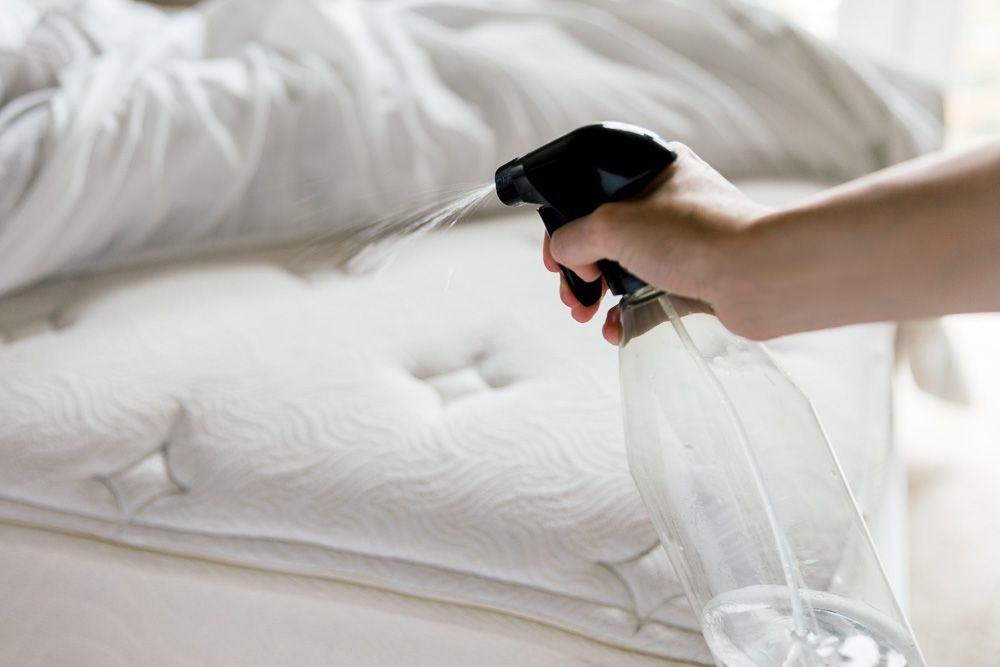
- Spray Directly: Apply 70% isopropyl alcohol directly onto visible bugs and common hiding spots: mattress seams, box spring edges, and bed frame crevices.
- Treat Fabrics: Lightly mist pillows, sheets, and blankets. Avoid saturation, as excessive moisture can damage materials.
- Clean Up: Once dry, vacuum thoroughly to remove dead bugs and wipe down hard surfaces with water and a cloth. Launder any treated fabrics in hot water if possible.
Important Caution: Rubbing alcohol is flammable. Keep it away from open flames, heat sources, and electrical outlets.
Beyond Alcohol: Other Natural Methods
While rubbing alcohol can provide immediate relief, several other natural methods offer longer-term control:
- Diatomaceous Earth (DE): This powder contains microscopic fossilized algae that dehydrate bed bugs by damaging their exoskeletons. Sprinkle it around baseboards, on mattresses, and in furniture cracks. Vacuum after 1–2 days.
- Heat Treatment: Washing bedding in hot water and using a high-heat dryer setting is highly effective. Steam cleaning can also kill bugs hiding in upholstery.
- Cold Exposure: Freezing infested items (stuffed animals, clothing) can eliminate bed bugs, though this is best for small, contained infestations.
Why DIY Methods Often Fail
Bed bugs are resilient pests that breed rapidly. DIY solutions like rubbing alcohol only address visible bugs, not eggs or those hidden deep within cracks and crevices. This often leads to reinfestation.
When to Call a Professional
Experts agree that professional intervention is essential for moderate to severe infestations. Jerry Eason, a pest control pro, recommends calling an exterminator at the first sign of a larger problem: itchy welts, blood spots on fabric, or shed skins.
Signs of an infestation that requires professional help include:
- Persistent bites despite DIY treatments
- Visible bugs in multiple rooms
- Difficulty identifying the extent of the problem
Professionals conduct thorough inspections and implement targeted elimination plans, ensuring complete removal.
“Bed bugs are notoriously difficult to eliminate on your own. Delaying professional help only allows them to spread and become more entrenched.” — Jerry Eason, Pest Control Professional
In conclusion, while rubbing alcohol can kill bed bugs on contact, it’s not a long-term solution. For effective eradication, consider combining DIY methods with professional intervention to ensure complete removal and prevent reinfestation.