


For buyers prioritizing long-term vehicle ownership, the question isn’t just about getting from A to B – it’s about which cars will still be running when others have long since failed. Longevity in automobiles isn’t about speed or luxury; it’s about robust engineering, conservative design, and a manufacturer’s commitment to reliability. This isn’t accidental; it reflects deliberate choices about materials, drivetrain simplicity, and testing standards.
Toyota Dominates the Long-Haul Market
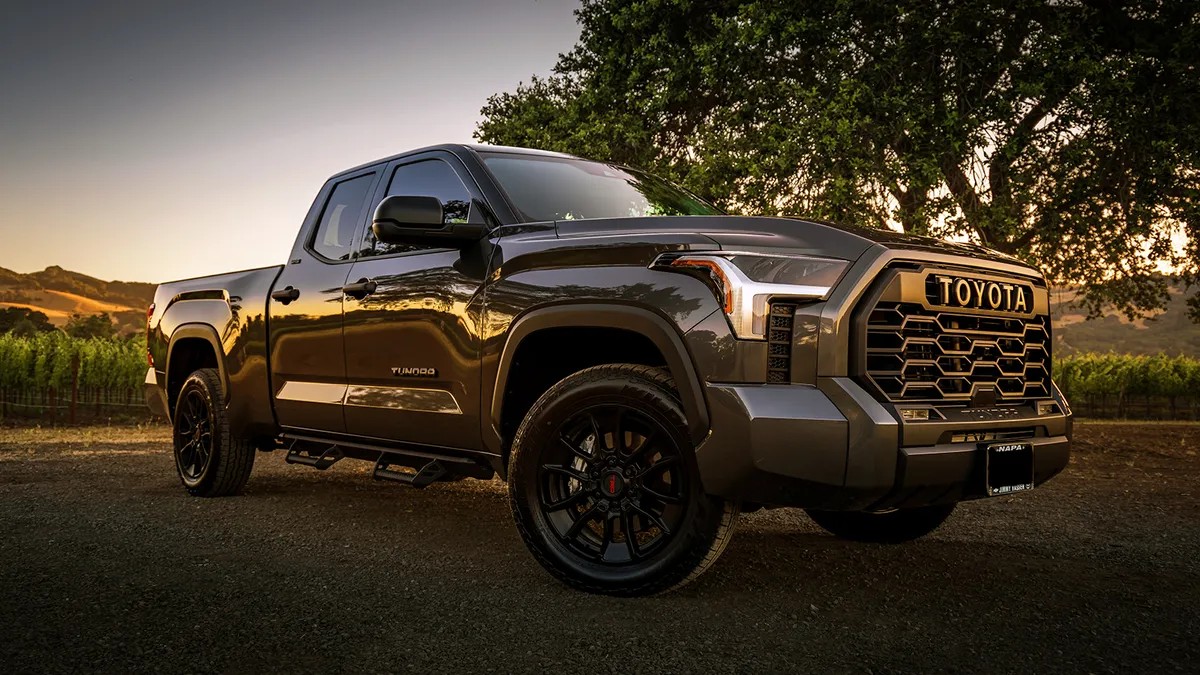
Toyota vehicles consistently lead the pack in terms of mileage and durability. The Toyota Tundra is a standout example. Numerous studies show a disproportionately high percentage of Tundras reaching 300,000 miles, driven by over-engineered components, a fully boxed frame, and heavy-duty cooling systems. Toyota doesn’t just build trucks; they build machines designed to resist wear.
The Toyota Sequoia shares the Tundra’s platform, meaning it inherits the same rugged DNA. Owners frequently report extreme mileage with minimal issues, thanks to simple powertrains and conservative tuning. For full-size SUV buyers prioritizing longevity, the Sequoia remains a top choice.
The Toyota Tacoma is another benchmark in mid-size trucks. Its longevity translates into exceptional resale value, retaining around 64% of its original price after five years. This isn’t just about branding; it’s about a vehicle that simply doesn’t quit.
Beyond Trucks: Sedans and Hybrids Prove Durable Too
The Toyota Avalon demonstrates that longevity isn’t exclusive to trucks. Its robust V6 engine and drivetrain often exceed 200,000 miles with routine maintenance. Toyota’s approach to comfort and durability yields a smooth, long-lasting ride.
The Toyota Prius has reshaped perceptions of hybrid durability. Fears about battery lifespan have largely proven unfounded. Real-world data, including taxi fleets logging over 200,000 miles on original batteries, shows hybrids can be exceptionally reliable. The Prius is a testament to the fact that efficiency doesn’t come at the expense of longevity.
The Toyota Highlander Hybrid follows this trend. Toyota’s hybrid systems distribute workload between the gas engine and electric motor, reducing stress on individual components. This results in a vehicle with a 31% chance of exceeding 250,000 miles—over six times the average vehicle’s odds.
Honda and Mazda: Reliable Alternatives
While Toyota dominates, other manufacturers offer compelling options. The Honda Accord, consistently rated among the most reliable mid-size cars, achieves a 4.5/5.0 reliability rating and averages $400 in annual repairs. Owners report reaching 200,000 to 300,000 miles with proper maintenance.
The Mazda CX-5 stands out in the compact SUV segment. Consumer Reports ranks Mazda highly for dependability, and the CX-5’s 4.5/5.0 rating reflects consistently above-average owner feedback. While it may not match Toyota’s extreme mileage figures, the CX-5 outperforms the average SUV in durability and low maintenance costs.
Luxury Reliability: Lexus GX
The Lexus GX brings Toyota reliability into the luxury market. Built on a body-on-frame design similar to Toyota trucks, it offers exceptional longevity and retains its value better than any rival in its class.
Ultimately, the longest-lasting cars aren’t flashy or cutting-edge; they’re the result of deliberate engineering focused on durability. Whether it’s a Toyota truck, a Honda sedan, or a Lexus SUV, these vehicles prove that long-term reliability remains a valuable asset in the automotive world.


