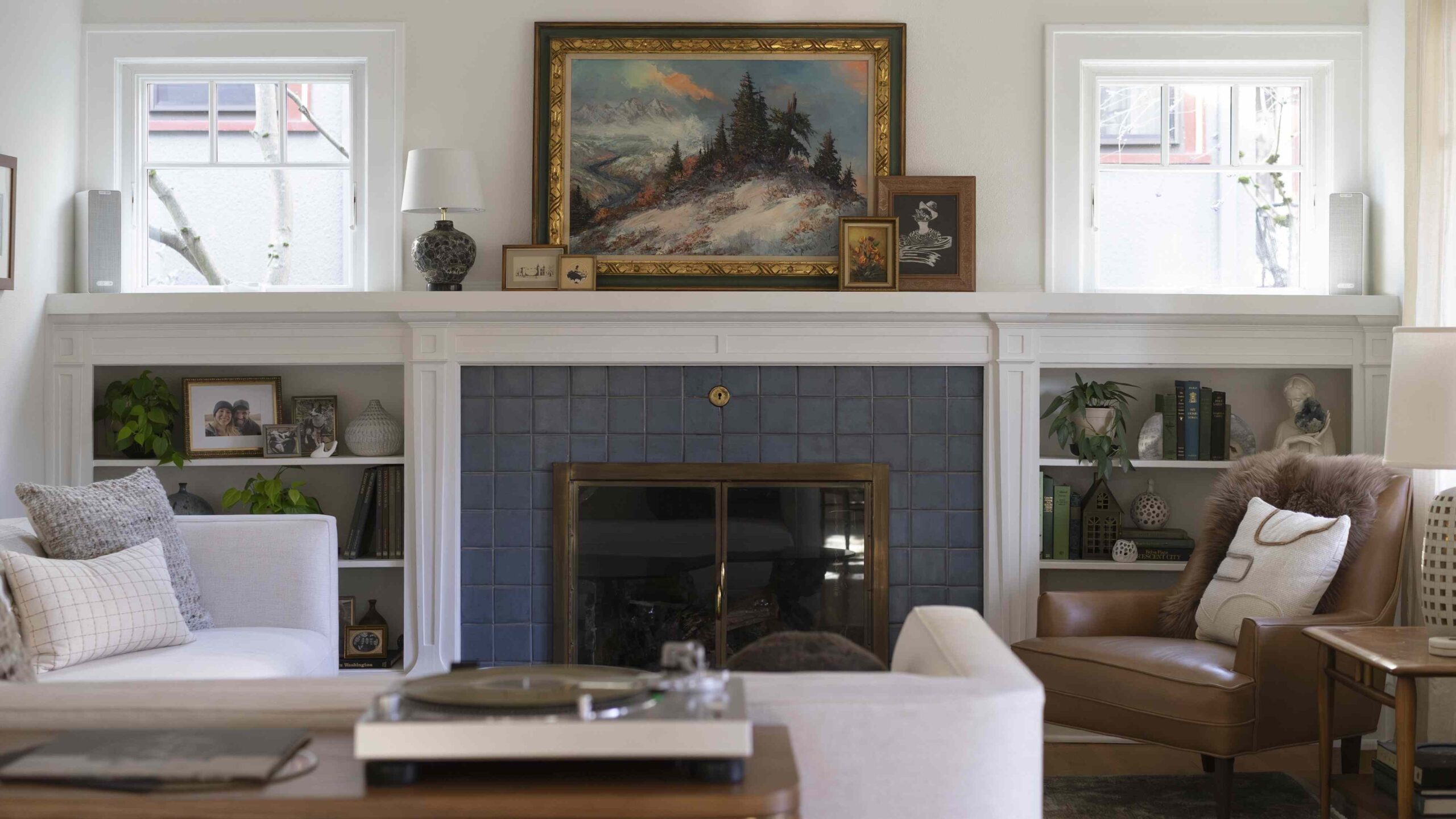
A comfortable home isn’t just about aesthetics; it’s about how a space feels. Designers agree that certain elements consistently contribute to an inviting atmosphere, whether you’re aiming for cozy intimacy or relaxed openness. Here’s how to achieve that welcoming vibe, broken down into practical steps.
Grounding Visual Weight
Interiors can fall flat if they lack visual anchors. Strategic placement of darker, heavier elements creates depth and prevents a space from feeling washed out. According to designer Brittany Rediger, incorporating pieces like dark wood furniture, vintage mirrors, or velvet cushions introduces necessary contrast. This isn’t about gloom; it’s about layering visual interest.
Balancing Warm and Cool Materials
An imbalanced mix of materials can make a home feel unsettling. The key is a deliberate pairing of “cold” and “warm” surfaces. Glass, metal, and stone represent the former, while tactile materials like wool, linen, and wood provide warmth. The absence of contrast makes spaces feel sterile. For example, pairing a glass coffee table with a high-texture rug introduces balance.
Defining the Entryway
The entryway sets the tone for the entire home. A clearly defined transition zone—either physical (vestibule) or visual—creates a psychological buffer between the outside world and your living space. Design director Lucas Goldbach suggests using changes in flooring (tile to wood), wall materials, or even ceiling treatments (lighting fixtures, beams) to delineate this area. This isn’t just aesthetic; it improves comfort by reducing drafts and preventing clutter from spilling into the main living areas.
Conversation-Centric Furniture Arrangement
How you arrange furniture dictates how a room functions. Instead of centering everything around a TV, position seating to encourage face-to-face interaction. Interior designer Becca Meyer points out that this simple change makes conversations feel more natural and fosters a sense of connection. A living room designed for conversation feels inherently more inviting than one dominated by a screen.
Layered Lighting for Ambiance
Lighting is arguably the most impactful design element. Harsh overhead lights create a clinical, unwelcoming atmosphere. The solution? Layering. Use a mix of lamps, sconces, and dimmers to create depth and a softer glow. Rediger recommends 2700K bulbs for a natural warmth, and keeping light sources at eye level (lamps, sconces) to introduce shadows and prevent flatness.
Infusing Personal Touches
A home should reflect its inhabitants. Surrounding yourself with meaningful objects adds personality and sparks joy. Meyer emphasizes that these pieces tell a story and make a space feel uniquely yours. Avoid generic décor in favor of items with sentimental value.
Harnessing Negative Space
Counterintuitively, clutter doesn’t equal comfort. Strategic use of negative space can make a home feel more open and inviting. Rediger notes that a clean, breezy atmosphere is just as welcoming as a cozy one. Resist the urge to fill every corner; sometimes, leaving empty space allows the design elements to breathe.
Ultimately, an inviting home isn’t about following trends; it’s about creating a space that feels authentic and comfortable to you. Thoughtful attention to these seven elements will ensure that your home feels like a sanctuary for both yourself and your guests.