Starting a garden doesn’t have to be complicated. Several spring-blooming bulbs are remarkably easy to grow, even for beginners, requiring minimal effort for beautiful results. These varieties are chosen for their resilience, simple care requirements, and ability to thrive with a little attention.
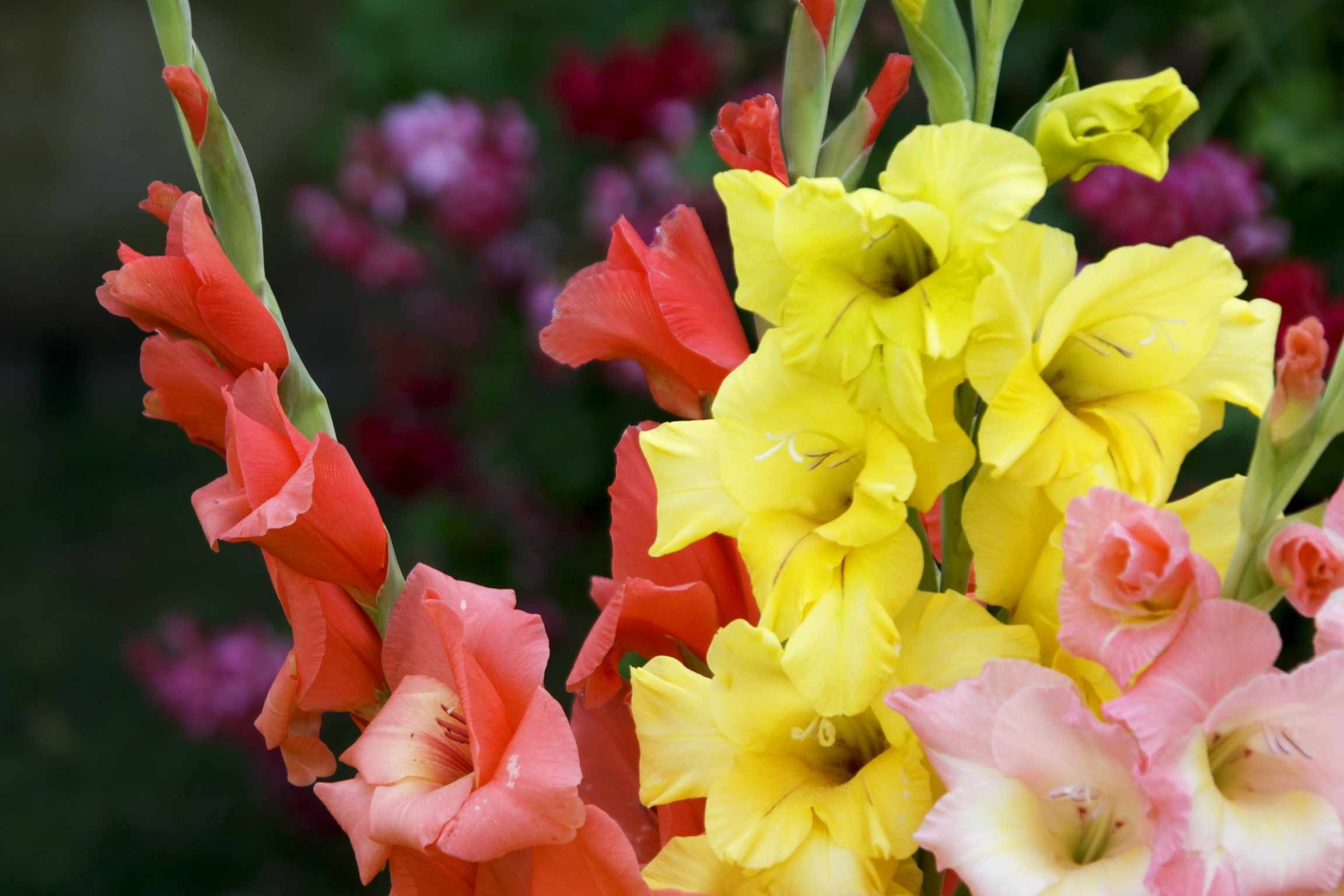
Gladiolus: Tall and Tolerant
Gladiolus (sword lilies) are known for their striking vertical blooms and surprisingly low maintenance. They’re generally pest-resistant and don’t demand specific soil conditions. Bulbs multiply over time, but dividing them every few years keeps them vigorous. Staking may be necessary for taller varieties to prevent bending in strong winds.
Plant 6 inches deep in spring when nighttime temperatures consistently exceed 60°F. While they tolerate drought once established, consistent weekly watering during dry spells ensures optimal growth. In rich soil, fertilization isn’t usually needed. In colder climates (zones 6 and lower), gladiolus can be treated as annuals or dug up in autumn for replanting.
Dahlia: Blooms From June to Frost
Dahlias are rewarding flowers that bloom prolifically from summer into fall. They prefer well-draining, nutrient-rich soil with good air circulation, which helps prevent disease. These plants make excellent cut flowers.
Plant dahlia tubers 2 inches deep after the ground warms to 60°F. Space smaller varieties 12 inches apart and taller ones 36 inches apart. Water sparingly until new growth emerges, then water when the top inch of soil feels dry. Fertilize with a phosphorus-rich slow-release formula once plants reach 3 inches tall. Deadheading spent blooms encourages continuous flowering.
In colder regions (zone 7 and lower), dig up tubers before the first frost, remove excess soil, and store them in a cool, dark, dry place over winter.
Crocosmia: Hummingbird Magnet
Crocosmia (montbretia) attracts hummingbirds with its vibrant, tubular flowers in shades of red, yellow, and orange. This hardy perennial is disease-resistant and adaptable, thriving even in drier conditions. A second bloom cycle in autumn is common.
Plant corms 3 inches deep after frost danger has passed. Regular irrigation supports a longer bloom period, but crocosmia doesn’t require fertilizer. Remove faded flower stalks but leave foliage to die back naturally in fall. In colder zones (5 and lower), lift bulbs for winter storage. Mulching overwintering bulbs in warmer zones provides additional protection.
Asiatic Lily: Reliable Blooms, Minimal Effort
Asiatic lilies are known for their large, star-shaped flowers and easy care. These hybrids spread into clumps over time and overwinter reliably in the ground, eliminating the need for digging. Faded flowers naturally drop, so deadheading isn’t required.
Plant bulbs 8 inches deep in well-draining soil when temperatures reach 50-60°F. Use a balanced slow-release fertilizer in spring after shoots emerge, and keep soil evenly moist. Allow foliage to die back naturally in fall and mulch for winter protection.
Canna: Tropical Flair, Simple Care
Cannas bring a lush, tropical look to gardens, thriving in hot summers with consistent moisture. Their waxy leaves resist pests and diseases, and they bloom continuously throughout the season.
Plant bulbs 2 inches deep when temperatures reach 60°F. For an early start, plant indoors in pots four weeks before the final frost. Space bulbs 1.5-2 feet apart. Remove dead foliage and spent flowers to extend blooming. Lift bulbs for winter storage after frost kills back the foliage.
Caladium: Vibrant Foliage, Easy Growth
Caladiums are grown for their colorful, patterned leaves rather than flowers. Consistent moisture, warm soil, and partial shade are all they need to thrive. Removing flower spikes encourages more lush foliage.
Plant bulbs 2 inches deep after frost danger has passed in fertile, slightly acidic soil. Keep the soil consistently moist until top growth appears. Grow caladiums as annuals below zone 9 or lift bulbs before frost and store them for replanting.
Colocasia: Dramatic Foliage, Low Maintenance
Colocasia (elephant ears) are striking plants with huge, often heart-shaped leaves. They need a large space or pot, rich soil, and partial shade to reach their full potential.
Plant bulbs 5 inches deep when soil warms to 65°F, ensuring the eyes face upward. Allow the soil to dry slightly between waterings, then water deeply. Feed monthly with a high-nitrogen fertilizer. Most cultivars should be lifted before temperatures drop below 40°F.
These seven bulbs offer a low-effort path to a beautiful spring garden. By choosing resilient varieties and following simple planting and care guidelines, even beginner gardeners can enjoy vibrant blooms with minimal fuss. The key is understanding the basic needs of each plant and adapting care to local climate conditions.