Summer hits. Bills rise.
You see the tips everywhere. Unplug this. Seal that. Adjust the thermostat to exactly 73 degrees.
Most are noise.
Some actually work.
We talked to two experts to sort the real savings from the placebo effect. No fluff. Just facts.
Unplug Everything
Brandon Young, an energy expert, says the old advice about phantom loads isn’t total junk.
“Unplugging devices eliminates standby power,” he notes.
It adds up. But slowly. Like snails.
The savings? Tiny. Probably less than your hourly wage if you actually sat there doing it.
But if the outlets are right there. Why not? It’s free money, albeit pennies.
Stop Fighting The Airflow
Lisa Shavers, HVAC pro, says most people make it worse.
You feel heat? You crank the AC. Bad move.
The air just sits there. Stuffy. Dead.
“Open doors throughout the home to allow more even circulation.”
Let the air move. Don’t let furniture or rugs choke the vents.
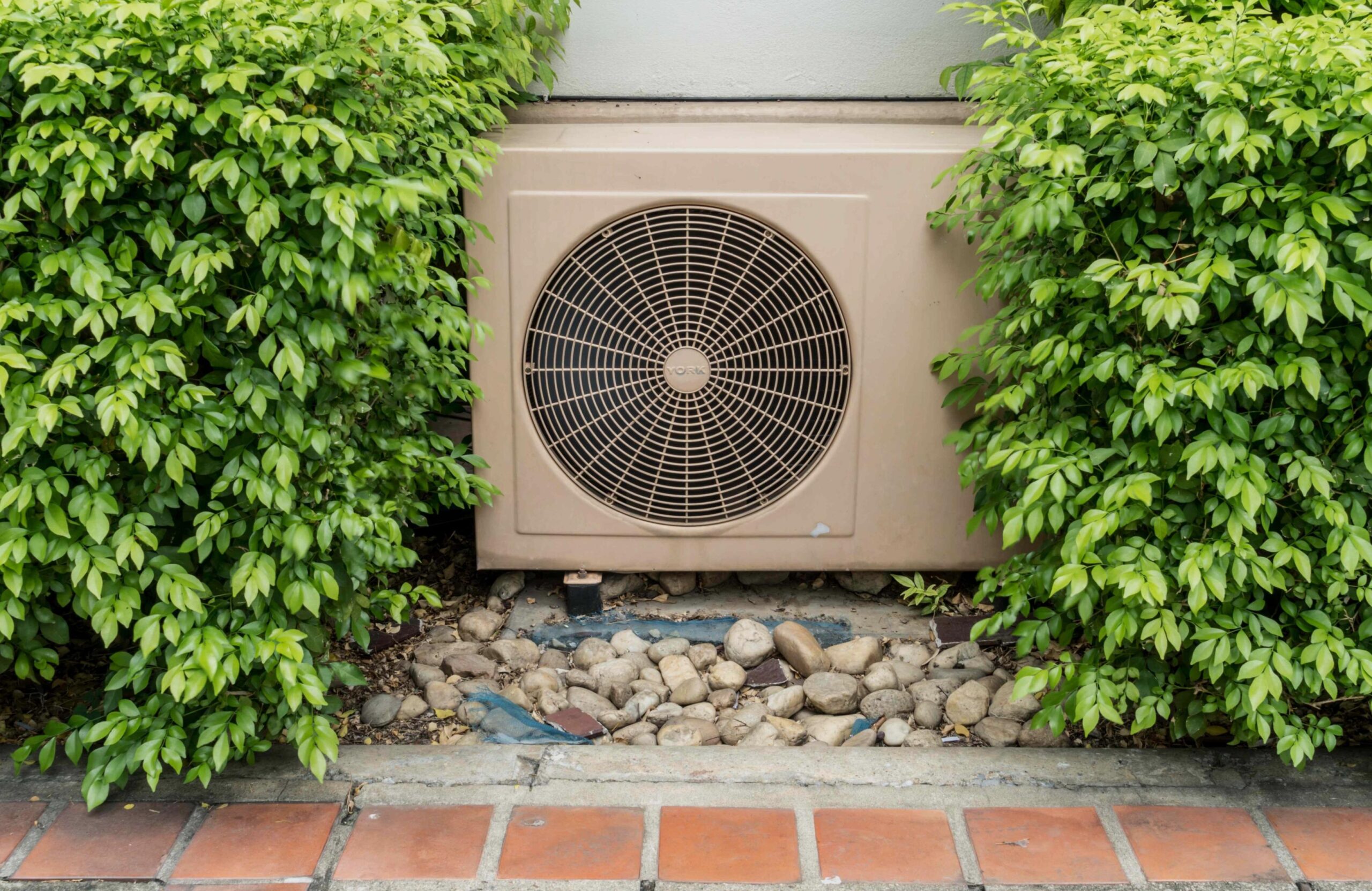
Blocked vents mean the system screams to compensate. Harder work equals higher bills. Keep the paths clear. It’s basic physics, yet nobody does it.
Maintenance Isn’t Optional
Here is the heavy lifter. The actual biggest cost saver.
Fix your system.
Young points it out: tune-ups matter. Filters matter.
“If airflow is restricted… the system works harder,” Shavers confirms.
It’s not sexy. It’s dirty work. Changing filters every month? Checking for drafts around windows? Sealing those gaps where cold air leaks out like a sieve?
Yes.
It sounds like chores. But a strangled HVAC unit burns cash. Treat it like a car engine, not a black hole that magically produces chill.
Burn LED
This is low hanging fruit. Literally.
Incandescent bulbs? Waste heat. Pure waste.
Switch to LED. Young says they use significantly less power. Done.
Want to feel fancy? Smart bulbs. Timers. Motion sensors. Turn the light off when the room is empty. Your electricity company doesn’t care that you forgot you turned them on three hours ago.
Cook When It’s Cool
Applies heat. Simple fact.
Oven on at noon in July? Your AC hates you.
Shavers says shift your laundry and dishes to night.
“Cooking early or using outdoor grills limits heat buildup.”
The stove gets hot. The microwave gets hot. The dryer? A space heater in disguise.
Run them when the sun is down. Keep your indoor temperature stable. It helps.
Block The Sun
Windows are essentially leaks. For heat.
Young installed blackout curtains in rooms with afternoon sun.
Smart.
“Keeps the AC from working overtime,” he says.
Shavers nods, especially for west-facing walls. Those afternoon rays penetrate glass like laser beams. Blinds down. Curtains closed. Let the sun burn the siding, not your living room.
Free cooling.
Smart Thermostats Work
If you do one thing? Do this.
Young installed one. He set it to warm up when he leaves. Cool down when he’s walking home.
“I wasn’t cooling an empty house,” he said.
Shatters the bill.
Shavers adds a warning people ignore. Cranking the temp down to 60 won’t cool the room faster. It just runs longer. Wastes energy.
“Lowering the thermostat dramatically doesn’t help. It causes longer runtime.”
Keep it at 78 if you can. Higher if you’re out.
It feels uncomfortable at first. But your wallet feels fine.
Which matters more.
The comfort.
Or the cost?