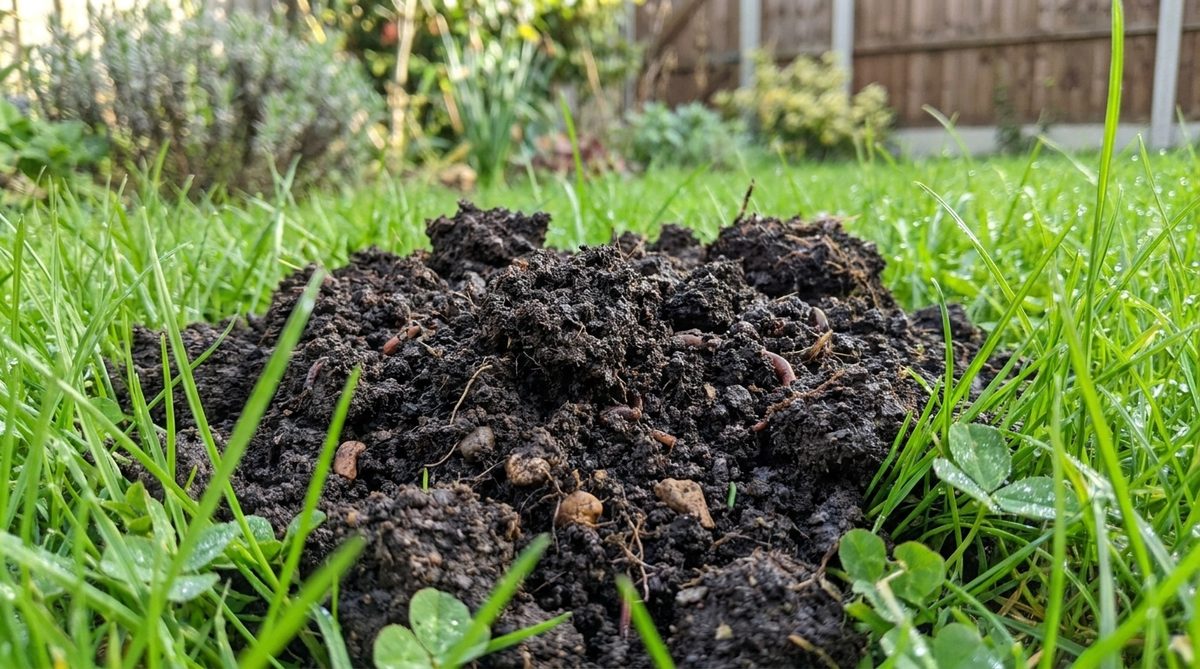
When we think of spring, we think of lazy days and green grass. Instead, I woke up to piles of dirt in my yard. It’s like a minefield. Your first instinct may be to grab a shovel or a hose and start fighting back. You want a perfect, smooth lawn.
But here’s the harsh truth. Trying to eradicate molehills in the spring can cause more damage to your garden than the moles.
The need to disinfect the soil is misguided. It is due to a misunderstanding of what is happening underground. Let’s take a look at why these piles of dirt are actually a sign of a healthy ecosystem and what you can do about them.
Fear of spring and bad solutions
May was supposed to be beautiful. I want a nice lawn. Then you will see them. A dark grainy dome suddenly appeared during the night. They destroy the visual harmony. This is very annoying.
Your mind jumps to the worst case scenario. You imagine the tunnel destroying the new flower bed. You feel the need to fight back.
This panic can lead to poor choices. People pour strong chemicals into the holes. They flooded the tunnels and drowned the inhabitants. They buy strong chemical repellants.
This radical approach ignores the basic rules of gardening. Treat soil as enemy territory instead of living matter. They pollute the earth just to protect their ego.
Expert perspective: soil health
Landscape professionals see the problem from a different perspective. They did not see the attack. They recognize signs of soil health.
*Destroying mole grapes with aggressive treatments in the spring destroys the foundation of your garden. You will killing beneficial organisms in the soil.
Adding too many chemicals to the soil to try to drive away all the critters can degrade the structure. It robs you of nutrients. Soon even the toughest grass becomes difficult to grow. This creates a sterile environment.
Those mountains prove that the soil is still alive.
Why Molehill means good soil
It sounds contradictory, but a molehills in the middle of the year is a good sign. These show that the Earth is not compressed. It’s not dead yet.
These piles mean that the soil is fresh, moist and easy to dig. Moles breed only in areas with ideal humidity and ventilation. This is exactly what the roots of the plant need.
Lawns with mole activity tend to have better drainage and aeration than sterilized and chemically treated lawns. Dirt is useful, even if it looks dirty.
Underground storage
Why is there a mole? Do not harm the plants. they eat there.
Your garden is your natural storage. It is full of bugs and bugs. This underground pantry helps control pest populations.
Moles feed on larvae that can damage your garden, such as white grubs or crane fly larvae. If left unchecked, these pests can damage the roots of young plants. The moles offers free pest control.
Provides natural ventilation for your lawn
Think of Mole Tunnel as free tilling.
They break up the soil without spending a penny. Rainwater does not accumulate on the surface of the earth, but is absorbed deep into the ground. Pool water kills the roots.
Fine dirt that travels to the surface forms small ventilation openings. This allows the soil to breathe. Promote microactivity. The soil is healthier, so the plants are stronger.
Smart strategies for damage limitation
There is no need for total war. Targeted actions are needed.
If you have a delicate vegetable garden or expensive flower beds, protect them in particular. Use physical barriers.
Bury wire mesh around these sensitive areas. Stops moles without harming them. This directs digging to areas where loose soil is less of a problem, such as the center of a large lawn.
Slight deterrent against damage
Sometimes you have to intervene. Perhaps the tunnel threatens critical foundations or sidewalks. Use humane deterrents in these situations.
Avoid chemicals. Try the following:
- Solar-powered ultrasonic devices: Place these devices near the active hole. Their sounds can confuse moles without harming them.
- Natural scent: Insert a branches of elderberry or crushed garlic into the tunnel entrance. The strong scent also repels insects.
- Live Traps: Use tube-style traps to catch animals. Move away from home.
The wisest course of action is always to use barriers and traps. Changing the soil itself rarely solves the problem. Your lawn may look a little dirty for a week or so, but it will be healthier in the long run.
After digging, I felt the need to wipe all the dirt off my hands. But wait a minute. That grit isn’t just mess. It is potential.
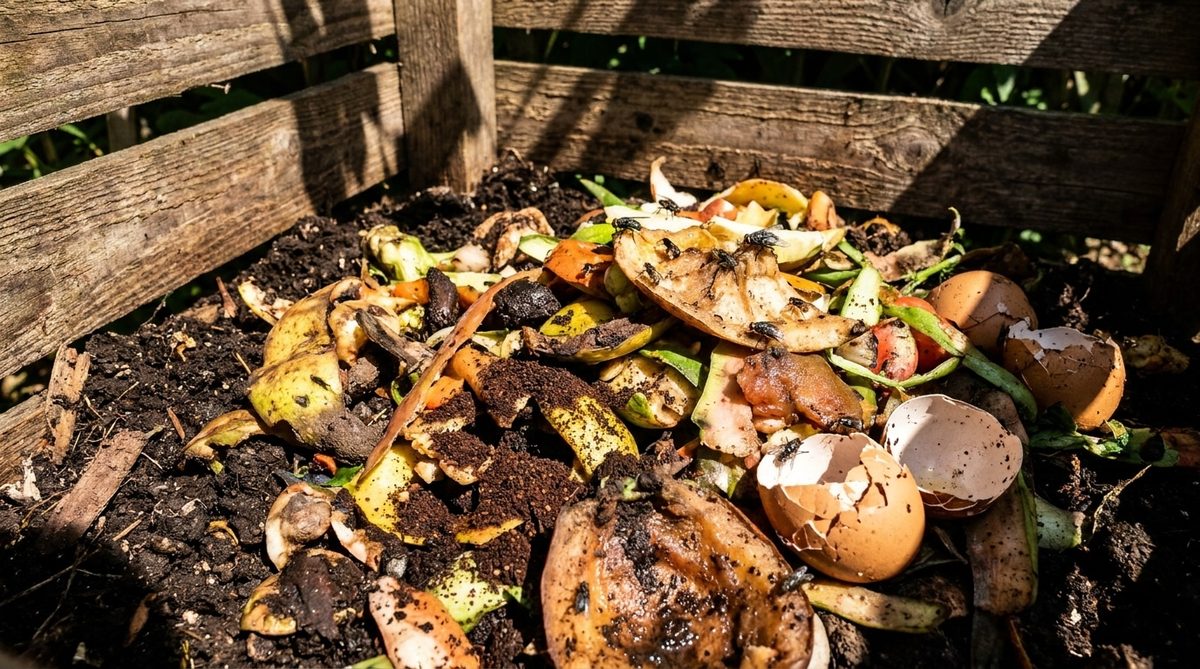
Fine soil that has been sifted from the top of a pile or beds is of high quality. It has aerated. It is processed by worms and roots. Don’t throw it away. Spread it with a rake or bag it up carefully. This screened soil is basically free premium potting mix. gifted by nature itself, a light and ready-to-use fertilizer. Using it for future seedlings will save you money and gives the garden back what it gave you.
Rethinking the lawn: Life Over Looks
We spend a lot of time making our gardens look like synthetic carpets. flat. Uniform. Dead.
This futile pursuit of perfection is a trap. It can cause stress and chemical dependency. Instead, accept that your outdoor space is a living, breathing entity. It evolves. It changes. Allowing wildness attracts wildlife. It invites natural flux.
“Laying down your arms against these precious subterranean allies is the first step to celebrating the bustling life of the garden.”
Living gardens have a real charm. There is good energy. And it lasts longer than a well-crafted plot that fights against its own ecosystem.
Interpreting nature’s messages
Spring does not wake up quietly. It signals. Let’s take a closer look at what’s going on beneath the surface. movement of earthworms. Appearance of early growers. These are not enemies that should be eliminated. They are indicators.
Learn to read the signs and you’ll stop fighting useless battles. You no longer have to waste time and energy controlling what you should be collaborating with. The balance of green spaces depends on this change in perspective.
You have the soil. You have the mindset. It is no longer a question of how to fix the faults. It is how to let them work for you. Why not finally put down your tools and let the garden do its thing?