
Humans have been scrubbing dirt out of fabric for millennia. Long before the first automated washing machines appeared in the 1850s, we were beating clothes against rocks and using sand as an abrasive. Today, the process is far less brutal. You just toss the laundry in and walk away.
But that convenience raises a practical question. Which medium actually keeps your clothes fresher and cleaner? The market is saturated with options. To help you decide, we need to look at the history, the chemistry, and the results. Specifically, we need to settle the debate between laundry pods vs powder vs liquid detergent.
The Forgotten History of Laundry Tablets
It is easy to assume that single-use detergent pods are a modern innovation born from the era of instant gratification. They aren’t.
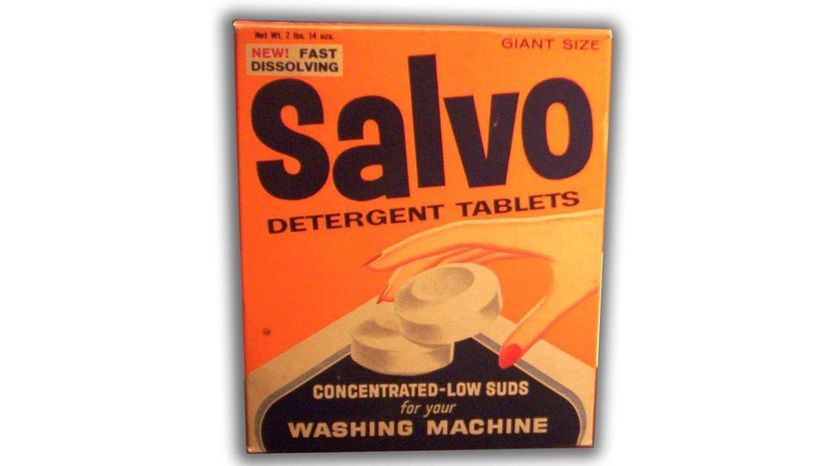
The concept dates back to the 1960s. Procter & Gamble introduced Salvo, a laundry tablet designed as an alternative to the messy liquids and dusty powders of the time. The idea was sound. The execution was not.
Salvo tablets failed to dissolve properly. They left residue on clothes and in machines. Consumers were frustrated. The product was pulled from shelves by 1970. For decades, the market remained split between the two main rivals: powder and liquid.
Why the Format Matters
The choice of detergent isn’t just about brand loyalty. It affects how the cleaning agents interact with your fabric and your machine.
Powder detergents often contain bleach agents and enzymes that work best in hot water. They are great for heavy soil. But they can leave a white residue if not fully dissolved.
Liquid detergents mix instantly. They are gentler on colors and don’t clump in cold water. However, they can sometimes leave sticky residues if you use too much.
Now, the market has shifted again. The return of the tablet form factor aims to combine the best of both worlds. But do they actually deliver?
The Core Question: Pods vs Powder vs Liquid
When you are standing in the aisle, staring at three different boxes, the decision feels trivial. It isn’t.
- Convenience: Pods win. Pre-measured doses eliminate the guesswork.
- Cost: Powder usually wins on price per load.
- Cleaning Power: It depends on the stain.
For grease and oil, liquids often penetrate better. For mud and earth, powders can be more abrasive and effective. Pods offer a middle ground, but their dissolution rate is the critical variable. If your water is too cold, a pod might not break down completely. This is a known issue for homeowners in colder climates.
Safety and Storage
There is another factor that often gets overlooked. Safety.
Pods are visually appealing. They look like candy. This has led to a rise in accidental ingestions, particularly by young children. Liquid and powder detergents are less ambiguous in appearance, though both still pose risks if mishandled.
Storage is also key. Powder absorbs moisture from the air. If it gets damp, it clumps and becomes ineffective. Pods are sealed, but they degrade if exposed to high humidity. You need a dry place to store them. Liquid detergents are robust, but they can spill and create a slippery

P&G did not do well at first. Or the second. It had been 10 years since their initial attempt to sell Cheer Power pouches and consumers still weren’t buying them. These early versions didn’t catch on and liquid detergent became the undisputed king of laundry aisles.
Then came 2012.
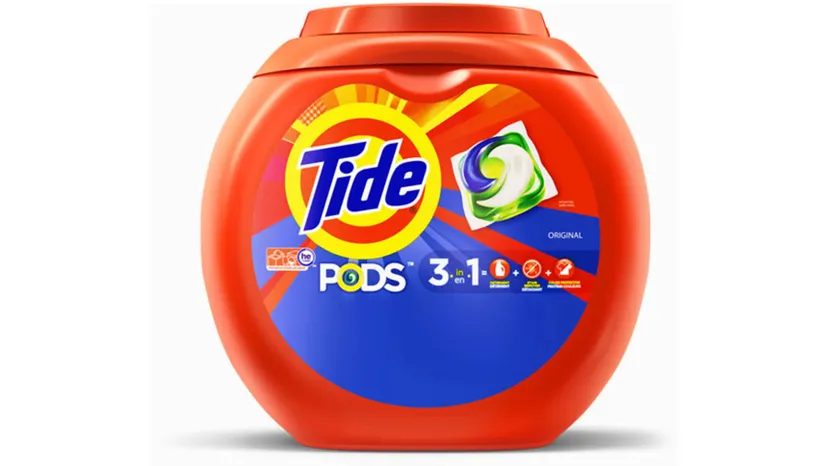
That year was a turning point. When Procter & Gamble introduced Tide PODS, the market suddenly changed. The formula worked. The marketing clicked. Over time, competitors began copying this model and flooding shelves with their own pre-measured versions of disposable laundry bombs. These days, you can’t walk into a supermarket without seeing rows of colorful pods.
Operating principle of Laundry Pods Work
The mechanism is surprisingly simple, yet engineered with precision.
The washing machine box is very similar, and the package is sealed with a water-soluble thin film, the purity of which is liquid or powder. You don’t rinse it. You can’t open it. The general manager steers the washing machine east and west.
When the thin film comes into contact with water, it dissolves immediately. When the pure ingredients are poured into the mixture, it can be used for instant starting. No measuring cups. No spills. Just pure, concentrated chemistry unleashed.
Why consumers change
Convenience is the obvious hook. But what is the real reason people stick with pods? Consistency.
Many users believe pods work better than liquid detergents because they eliminate human error. With liquids, you guess. You eyeball the cap. Pour until it looks “right”. With pods, you get the perfect amount every time.
Jennifer Ahoni, Tide’s principal scientist, goes one step further. It’s not just about accurate measurement. It’s about concentration.
Pods contain more concentrated cleaning agents than standard liquid detergents.
This density is important. The higher the concentration, the better the stain removal, the better the odor removal and the less residue on the fabric. The difference is noticeable in homes with heavy dirt and sensitive skin.
Conclusion
The failure of early pouches taught P&G a valuable lesson that timing and execution are as important as the product itself. By 2012, they had improved the formulation, accelerated the dissolution of the film, and positioned Tide PODS as a premium solution.
Now, the choice isn’t whether to use pods. The brand that offers the best price for certain laundry needs is the following.
Hidden mechanism and convenience of laundry drawers
Laundry Beads is more than just pressed detergent. They are typical for design projects. For example, the Tide pod has three different inner chambers. This design keeps the active ingredients separate until the moment of impact. It will then enter the cleaning cycle at the appropriate time. You can’t recreate this level of synchronization with a bottle of liquid unless you’re standing in it and looking at the machine.
This multi-chamber technology allows brands like Tide to create a three-in-one solution. In theory, there is no need for separate bottles for detergent, fabric softener and deodorant. One bag does it all.
The space advantage is real. If you live in a small space, like a tiny New York apartment, storage space is a luxury. The ball box replaces a pile of bottles or boxes. This is also useful if you have to go far to get to the laundromat. Carrying a water jug is exercise. Some light burns are easy to treat.
Why laundry boxes are not for everyone
Convenience has its price. Laundry pellets are much more expensive than liquid or powdered laundry gels. Some costs can be up to 50% higher. The price levels are usually powder (cheapest), liquid (mid-range) and pods (premium).
Pre-measured doses can provide control, but they also have limitations. If powder or liquid, specify strength. Is the load small? Use a little. Big load? Use more. Only factory settings are available for Pod.
Need a giant king size duvet cleaned? You may need two bags. If you use heavy loads regularly, this number will add up quickly. Want to make a small amount of cooked food instead? One bag may contain too much detergent. Chemical residues may remain on clothes.
It is also a question of pre-treatment. The pods cannot be easily spread on the dirt before cleaning. The plastic melts in the machine, not the fabric. If you deal with tough stains or hand wash delicate items, you still need a liquid detergent. Experts like Tide’s Ahoni recognize this. He uses the liquid to treat stains and wash his hands, because pods can’t do all the work on their own.
Secondly, there are also security risks. This is more than a little uncomfortable. This is a serious danger. In 2012, the CDC issued a warning about laundry beads after hundreds of children were poisoned. Since then, TikTok’s Tide Bean Challenge has attracted more victims of the disease. If you buy it, keep it away. every time.
Laundry powder box
The main factor in laundry detergents is price. Usually cheaper than liquid or pillow options. It’s also generally good for the planet. Less water is used in the manufacturing process. The packaging is lighter and less resources are needed.
For those who really care about the environment, there is also a DIY option. You can make your own powder at home. Or go to a zero-waste grocery store and fill your container. This significantly reduces plastic waste.
The dimensions are also a plus. Many users find it easier to scoop powder than pour messy liquids. You can use exactly what you need. No need to guess. No wasted product.
The disadvantage is solubility. Powders do not always dissolve completely, especially in cold water. Undissolved clumps can stick to your clothes. If the stains need to be treated with a powder, mix the powder with hot water to make a paste. Effective against blood, clay and dirt.
液体洗涤剂的可靠性
液体洗涤剂的价格处于中间位置。 它的成本比粉末高,但比豆荚低。 它的主要优点是一致性。 无论水温如何,它都会立即溶解。 深色衣服上不会留下白色残留物。
这也是洗手的首选。 无需等待解散。 只需倒出并擦洗即可。
去除污渍是液体的亮点。 它对油脂和油特别有效。 只需在清洗前将少量直接涂抹在污渍上即可。 它能快速渗透纤维。
如何选择适合您的洗衣粉
不要只买货架上看起来漂亮的东西。 看你的具体需求。 备货前先问自己以下问题:
- 你的皮肤敏感吗? 您可能需要低过敏性配方奶粉。
- 你有什么类型的洗衣机? 高效 (HE) 机器需要低泡洗涤剂。 并非所有容器或液体都与 HE 兼容。
- 你的清洁剂去哪儿了? 有些机器有抽屉。 其他人则需要将其直接倒入桶中。
- 您需要特殊护理吗? 有些洗涤剂是为精致衣物或技术户外装备配制的。 其他的是一体化解决方案。
- 您通常使用什么温度? 冷洗适合液体或优质粉末。 热水清洗可以更好地处理粉末。
诚实地对待你的习惯。 权衡利弊。 然后选择适合您生活的公式,而不仅仅是营销。
古罗马人使用人尿来清洗衣物。 它确实有效。
现在这很有趣。