


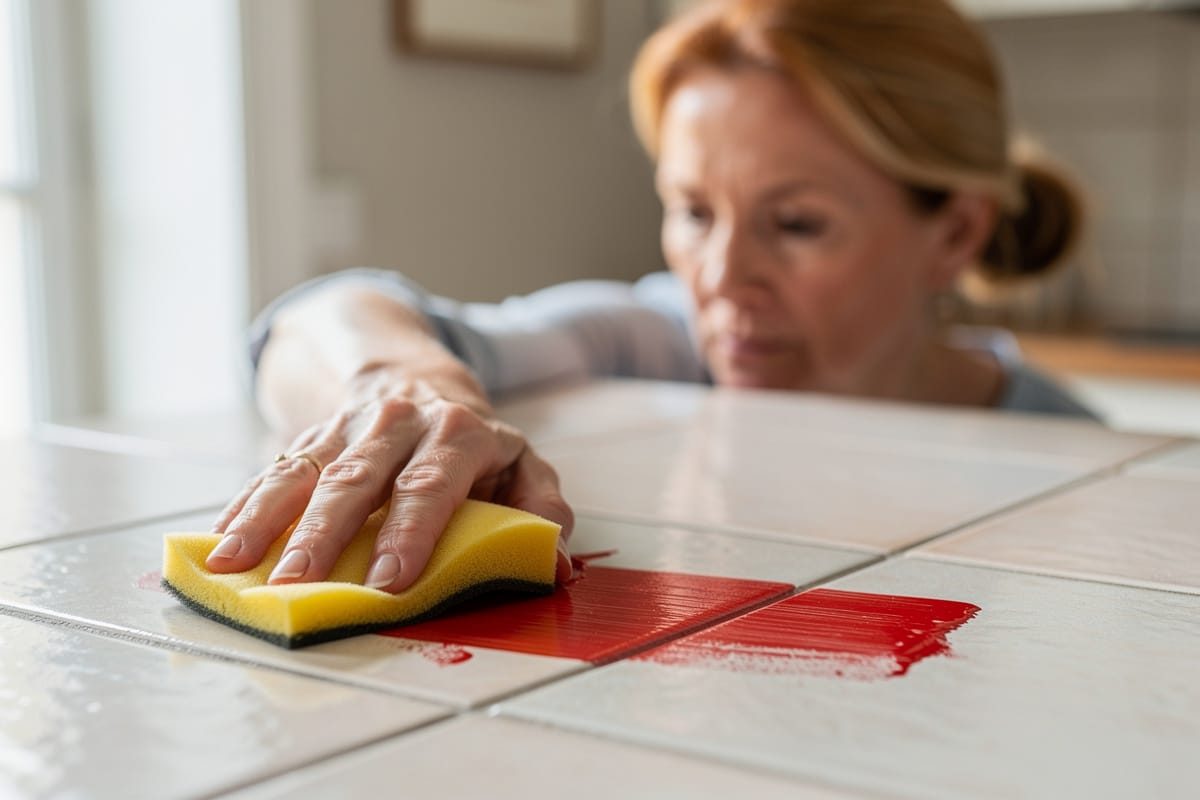
Focus for a moment on the stroke of the brush; The next moment you tilted the can. Fresh paint just won’t sit there. It drips. It spreads. It will find its way onto your favorite shirt, hardwood floors, or freshly grouted tile backsplash. Panic spreads. But before you start berating yourself, take a breath. You can fix this.
The clock is ticking. Fresh paint is forgiving. Dried paint is war. Your first job is not cleaning; it is restraint.
Stop the bleeding: Act now to save Surface
Do not rub. That’s rule number one. Rubbing causes the pigment to penetrate deeper into the grain of the wood or the pores of the fabric. You’re not cleaning; you’re tattooing the stain into place. Use gentle tapping instead.
Take a clean, slightly damp cloth. Start at the outer edge of the splash and work your way inward. This prevents the paint from spreading out onto the clean areas. If you have fresh paint on tile or sealed hardwood, don’t just wipe it off. Scratch. Use a plastic spatula or even an old credit card. Lift most of the splotches off the surface. If you don’t have a spatula, a spoon will do. Get the heavy stuff off before it bonds to the finish.
When it comes to fabrics – clothing, upholstered furniture, curtains – you have to act quickly. If the paint is still wet, place under the stain a piece of stiff cardboard or several layers of paper towels. This acts as a barrier. It traps the penetrating color and prevents it from transferring to the other side of the fabric. Then tap from above. Never rub.
Surface-specific tactics: wood, tile, fabric and glass
What works in ceramics will ruin your sofa. What saves cotton can leave streaks on the window. Here’s how to handle the most common victims of an overturned can.
Hardwood and vinyl floors
Sealed floors are relatively forgiving. Unsealed wood is a nightmare.
If the floor is sealed (like most modern hardwood and vinyl floors), the aforementioned plastic squeegee is your best friend. Remove the excess. Then use a soft cloth with warm, soapy water. Blot. Do not soak the wood. Excess water can damage the surface over time.
For stubborn residue on sealed floors, a little isopropyl alcohol on a cotton ball can dissolve the latex paint without damaging the polyurethane finish. Test it first in an inconspicuous corner. Always.
Ceramic and porcelain tiles
The tiles are hard. It does not absorb paint. It sits on top.
Once you’ve scraped off the bulk, use the razor blade holder to do the rest. Hold the blade at a 45 degree angle. Gently scrape the surface. The paint can be removed cleanly. Then remove the remaining film with a damp sponge and dish soap. If you’re worried about scratching the grout, stick to the scraper and soap. The razor blade is intended for the glazed surface of the tile, not for grout lines.
Fabric and clothes
Time is of the essence. If the paint is still wet, rinse the stain from behind with cold water. If you puncture it, it will stick out instead of going deeper.
For applying dried latex paint
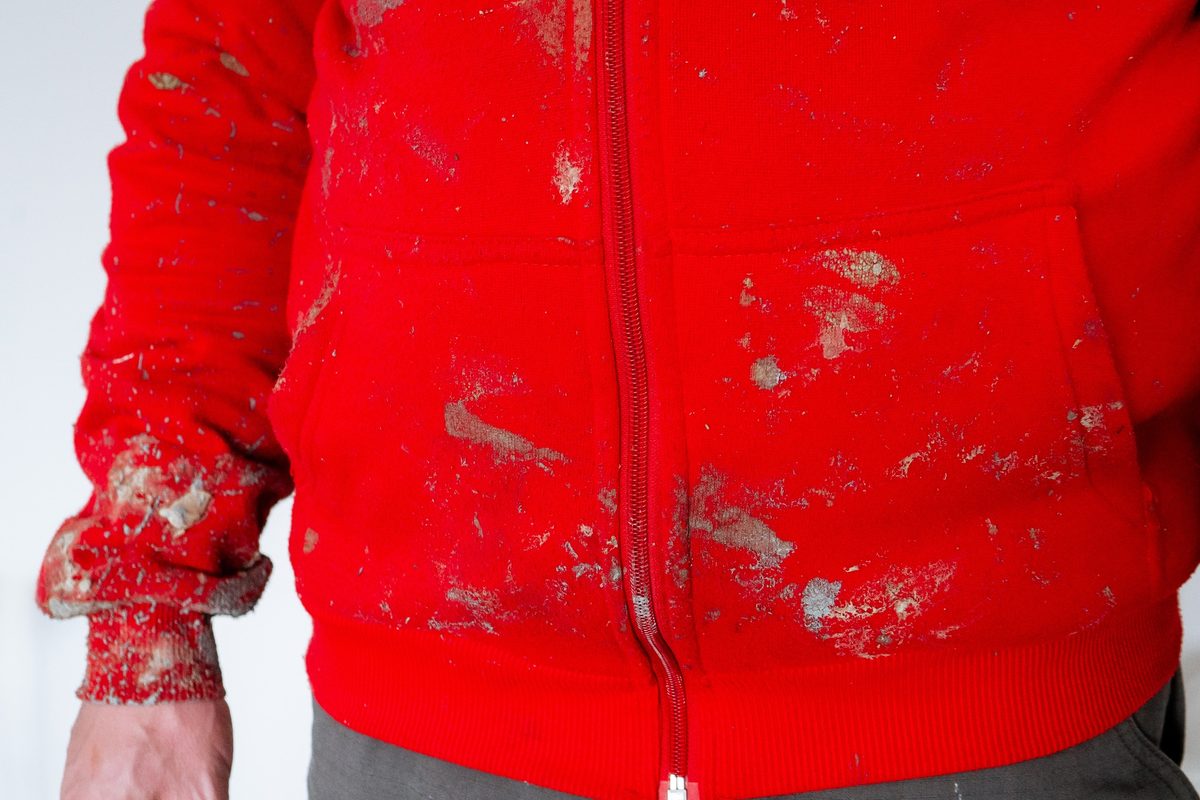

Removing paint from specific surfaces: fabric, wood, tile, and glass
No paint stain is truly permanent. It just needs the right approach for the material it landed on.
Fabric is forgiving if you act fast. Mix warm water with a mild soap. Dab the spot with a soft cloth. The fabric absorbs the pigment before it sets. If residue lingers, test household alcohol on a hidden seam first. A tiny amount wipes away the rest without eating into the fiber.
Wood requires caution. Varnished surfaces hate water. Dampen a cloth lightly. Tap the spill. Dry it immediately. This stops the liquid from sinking in. Unfinished wood is different. Diluted Marseille soap in water works well here. Just don’t soak the area. You want to clean, not warp the grain.
Ceramic tile and glass are tougher. They handle energy. An sponge with dish soap dissolves most paint quickly. Stubborn spots? A drop of household alcohol or white vinegar does the trick. Never mix vinegar with bleach. That creates toxic gas. These cleaners leave no haze or dull spots behind.
Professional tricks for removing paint traces without damage
Pros don’t panic. They move fast and mix the right products. When paint spills, never rub. Rubbing pushes the pigment deeper. Always dab.
For textiles or delicate furniture, this homemade mix works wonders:
- 1 tablespoon of liquid black soap or eco-friendly dish detergent
- 300 ml of warm water
- 50 ml of household alcohol (check compatibility with your surface)
Soak a clean cloth in this solution. Gently tap the stain until it fades. Rinse with clear water afterward. Soap residue attracts more dirt if you leave it on. On windows, use a razor blade or scraper if the paint has started to dry. Hold it flat. Don’t force it. The glass won’t scratch if you’re gentle.
The best tip? Intervene immediately. Even if the kids are screaming or you’re in a rush. Fresh paint yields easily. Dried paint fights back. Finish by drying the area with a soft cloth. Water marks are annoying. Avoid them by removing moisture right away.
Preventing future paint disasters before they happen
Prevention is cheaper than cleanup. Before you pick up a brush, protect your space. Lay down a thick tarp. Secure it so it doesn’t slip. Use old sheets for nearby furniture. This limits the damage zone.
Wear gloves. Wear an apron. Your clothes and hands will thank you. If you DIY often, keep a small emergency kit nearby. A damp cloth. Some Marseille soap. A bit of alcohol. When accidents happen, you’ll be ready to act in seconds.
Use airtight containers. Close lids tight during breaks. This prevents spills from paint cans tipping over. These small habits turn a stressful project into a calm one. Winter indoor projects become enjoyable again.
You don’t need to fear fresh paint stains anymore. Quick, simple actions usually save the day. The right technique for each surface, plus a little organization, removes the stress. You’re now equipped to handle the next splash without a worry. No traces left behind. Just a clean room and a job well done.


