


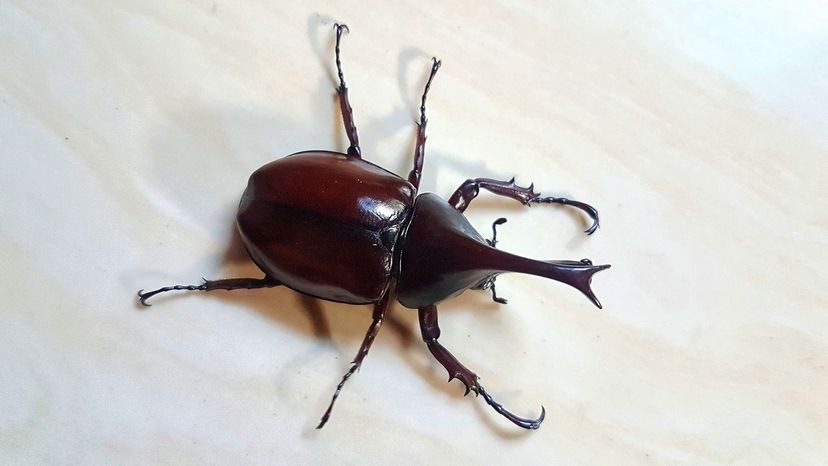
Nobody wants to open their pantry and find bugs swimming in their rice. It’s a visceral reaction, one that mixes disgust with the sudden realization that your food supply is compromised. Weevils don’t just hang out; they breed. They multiply. And they turn your dry goods into larval hotels. If you’re staring at a small, beetle-like intruder with a distinct snout, you need to act fast. These pests are notorious for turning stored grains into dust and debris. But you can stop them. You just need to know exactly what you’re dealing with and how to flush them out.
Spotting the Intruder: What Exactly Is a Weevil?
Weevils belong to the family Curculionidae. Think of them as beetles that evolved a specialized tool for drilling. “Weevils that infest food items are tiny, but you can see their distinctive ‘beak-like’ snout jutting out from the head,” explains David Lofquist, region technical training manager at Arrow Exterminators. That snout isn’t just for show. It houses their mouthparts at the very tip, allowing them to bore into hard seeds and grains.
Size varies wildly depending on the species. In North America alone, there are over 3,000 types. Most pantry invaders measure between 0.10 inch (3 mm) and 0.25 inch (10 mm). They’re small enough to hide in the fold of a paper bag, yet large enough to be visible to the naked eye if you’re looking closely.
Identifying the Specific Pest
Not all weevils are created equal. To effectively get rid of the weevil bug, you first need to identify which one has moved into your kitchen. The treatment might be the same, but knowing the culprit helps you understand where it came from and what it prefers.
Rice Weevil (Sitophilus oryzae )
This is a major pest for stored grains. It targets rice, wheat, and corn. Look for small, dark beetles with a long snout. The key identifier? Four light-colored spots on their backs. They’re aggressive breeders and spread quickly.
Granary Weevil (Sitophilus granarius )
Similar to the rice weevil but slightly larger. The critical difference? They cannot fly. This limits their movement but makes them particularly dangerous in confined spaces like grain silos or sealed pantry boxes. They devastate wheat, oats, rye, barley, and rice.
Maize Weevil (Sitophilus zeamais )
Almost identical to the rice weevil, but larger. As the name suggests, they prefer corn. However, they’re opportunistic and will infest other grains too. They have a global distribution, meaning they’re likely already in your local supply chain.
Bean Weevil (Acanthoscelides obtectus )
Despite the name, this isn’t a true weevil. It’s a leaf beetle. It targets dried beans and other legumes. If you’re finding holes in your lentils or kidney beans, this is likely the invader. The damage here is significant, often hollowing out the bean entirely.
Black Vine Weevil (Otiorhynchus sulcatus )
This one is different. It doesn’t typically infest your pantry. It attacks ornamental plants and fruits like blueberries. If you see damage in your garden, not your flour, this is your culprit.
Other varieties exist, like the wheat weevil or rose weevil. Each has a specific habitat, but they all share one trait: they eat crops, stored food, or plants.
Where Are They Hiding?
If you find insects inside stored cereal, beans, or seeds, weevils are the prime suspect. “Commonly infested items are bird seed, pet food, or wildlife feed containing seeds or corn,” Lofquist notes. These are often bought in bulk and stored in garages or basements. From there, they can spread to the pantry.
Weevils thrive in products stored for six months or longer. They’re slow, methodical, and patient. While you might see adult beetles crawling on flour, it’s rare. Weevils can’t complete their life cycle in fine flour because there’s no structural integrity for the larvae to burrow into. If you see bugs in loose flour, it’s likely a flour beetle or another scavenger, not a weevil. Correct identification matters.
How Do Weevils Get Inside?
It’s tempting to blame open windows or poor sealing. But weevils don’t usually fly into your home. They come inside with you. “These pests usually come indoors via packaged foods or bulk products,” says Ben Hottel, technical services manager for Orkin. You buy a bag of rice at the store, and the eggs are already inside.
Once they’re in your pantry, they can go undetected for months. “Weevils lay eggs inside the kernels of grains or other starch products that are large enough for the larva to develop inside,” Hottel explains. The larvae hatch and burrow into the grain. They develop, pupate, and emerge as adults—all while hidden inside the food you’re trying to eat. This internal development makes them incredibly hard to spot until the infestation is already established.
The Life Cycle: Burrowing and Breeding
The lifecycle is efficient and, frankly, a bit gross. A female weevil drills a hole into a grain kernel—corn, rice, wheat, beans, or peas—and lays an egg inside.
“When the larva hatches from the egg it will crawl over the grain until it finds a suitable opening and then burrow into the middle of the grain,” explains Terminix entomologist Angela M. Tucker.
Inside the kernel, the larva feeds on the endosperm. It grows, develops, and then pupates. This pupa isn’t a silk cocoon like a butterfly’s. It’s a hardened casing formed within the grain. Eventually, the adult weevil emerges, chews its way out, and begins the cycle anew. It’s a closed loop. Eat, breed, repeat.
Are Weevils Dangerous?
Here’s the good news. They won’t kill you. “They are not known for carrying pathogens which can result in illness,” says Tucker.
If you accidentally consume food containing weevil eggs, feces, or molted skins, it’s unpleasant, but not toxic. “The cooking process takes care of any food-borne illness risk,” Hottel adds. Most people, however, won’t risk it. When infestation is confirmed, the standard protocol is to discard the affected items. You can’t wash weevils out of a bag of rice. You have to toss it.
The real issue isn’t health; it’s waste and infestation. One bag becomes ten. One pantry becomes a war zone. Prevention and early detection are your only real defenses. Once they’re inside the kernel, they’re safe from sprays and traps. You have to stop them before they get in, or remove the source entirely.
Stop the cycle at the source
You can’t get rid of an infestation. The adults are visible, but the real problem is the microscopic eggs and larvae that hide deep inside the grains. Picking them up is a waste of time. You will miss the young ones. The cycle continues.
The only step that works is complete removal. Dispose of dried items. All. Rice, flour, pasta, cereal. If you see movement, throw it away. Do not negotiate with pests.
Next, clean out the pantry. Vacuum the shelves. Wipe them with soap and water. This kills the strays and removes the remnants that attract new ones. When the room is clean, fill it again – but not with the old bags.
Use jars with tight lids. Plastic containers often have microscopic cracks. Weevils are small enough to squeeze through crevices invisible to the human eye. Glass is impenetrable. It keeps them away.
Why Bug Sprays Fail
You may be tempted to spray the cabinets. Don’t do it.
Bug sprays are largely ineffective against pantry bugs. The adults you see are just the tip of the iceberg. Most of the infestation is in food packaging and not crawling on the shelf. It hits nothing of consequence for spraying the case. It wastes money and exposes your kitchen to chemicals.
“I don’t recommend using residual fluid because the adults can be physically removed and they don’t affect the immature stages because they don’t move in the cabinet space.” – Tucker, Pest Control Specialist
Residual sprays target insects that later migrate through the treated area. Weevil larvae stay in place in the flour bag. They won’t get into your spray area. They are safe.
Check before storage
Check the packaging before taking the food out of the car. Look for tiny holes. Look for webbing. Look for tears. If the seal is broken, assume it is infected.
Use up your grains quickly. Buy smaller quantities. The longer you leave dry products out, the greater the risk.
For long-term storage, use the freezer. Put the rice, flour and pasta in the freezer for at least four days. This will kill any eggs or larvae that may have been dragged along. After freezing, pour into the jars.
Dealing with annoying weevils
Sometimes you do everything right. You throw the food away. You clean the shelves. You seal the new containers.
And yet you see them.
It’s normal. Adult weevils live a long time. They can roam your kitchen for months after the source is gone. They no longer reproduce. They’re just lost.
Don’t panic. Do not spray. Use a vacuum.
A vacuum cleaner is the best tool for these lost adults. It sucks them up. It removes them from your life. Then immediately empty the canister or bag. Close it. Throw it away.
When to call the professionals
If vacuuming doesn’t work or you see weevils in places that don’t make sense – like mattresses or upholstered furniture – you need help.
Most of the pantry weevils remains in dry materials. If they move around the house, it may be a different species. Or it could be a massive infestation that got away


