


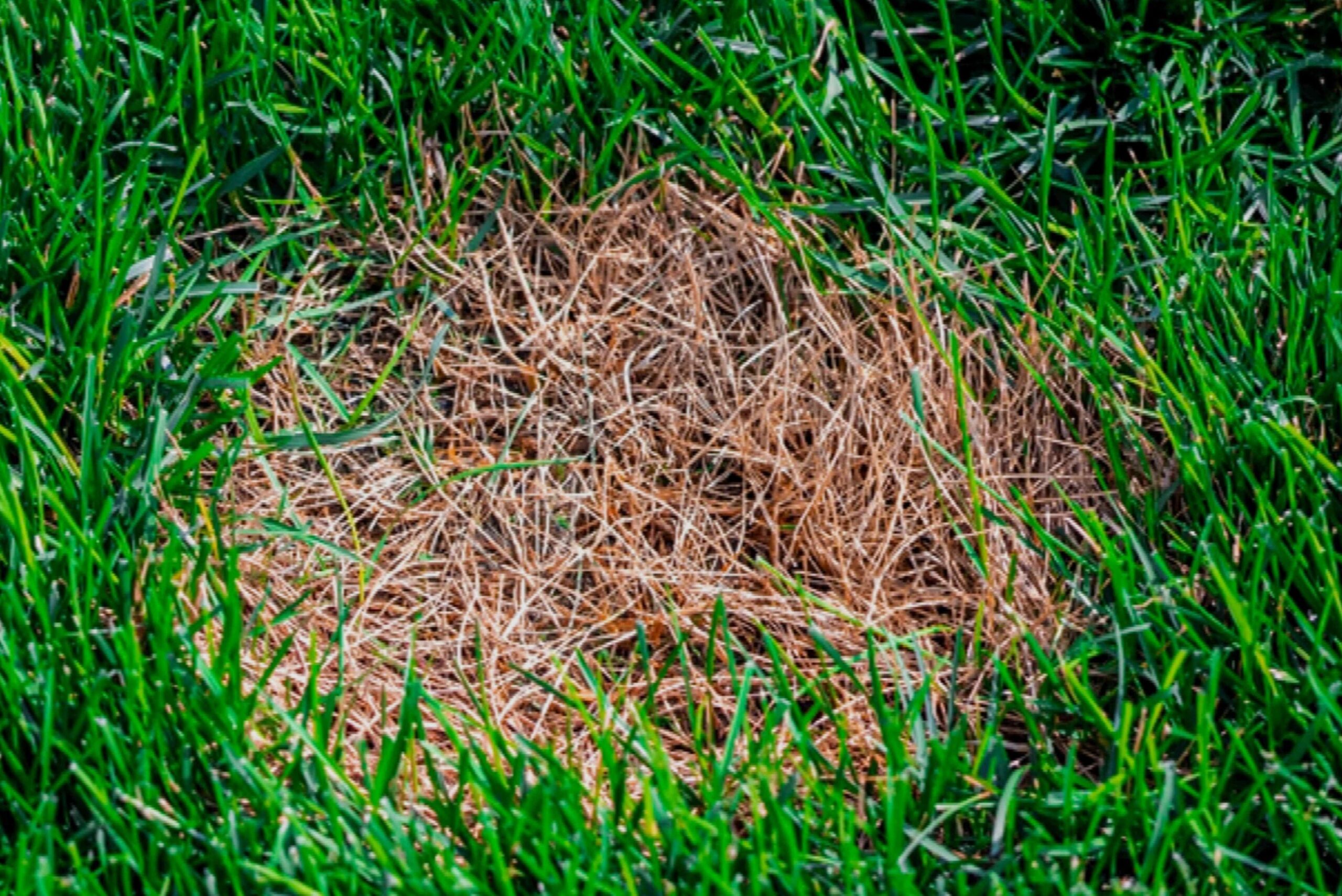
One minute you’re admiring your yard. The next, a ugly tan spot stares back at you.
It’s summer. The heat is on. And there it is. That patch of dead grass.
It’s tempting to assume it’s the infamous “brown patch” disease. You see the name, you panic, you reach for the fungicide. But wait. Just because it looks like brown patch disease doesn’t mean it is.
Grass turns brown when it stops getting what it needs. Nutrients. Water. Sun. Or maybe it’s just being peed on by the neighbor’s dog.
Before you spend a fortune on treatments, you need to figure out why your lawn is failing. Is it fungus? Is it neglect? Or is it something else entirely?
Distinguishing Brown Patch Disease From Other Lawn Killers
Not every brown spot is the same. Context matters. Where do you live? What’s the weather doing? These factors change the diagnosis.
The Fungal Culprit: Brown Patch Disease
This specific fungal disease is a real thing. It targets cool-season grasses like Kentucky bluegrass and fescue. It thrives in the heat and humidity of summer. Specifically, on hot, wet nights. Fungi love moisture. If you’ve had a spike in rainfall, your risk goes up.
It starts subtly. The grass doesn’t turn brown immediately. It turns yellow. A distinct yellow ring before the collapse.
High-nitrogen fertilizers make it worse. If you fed the lawn recently, you might have just handed the fungus a feast.
Watering Woes
Water is life, but too much of a good thing kills. The soil under your turf should be evenly moist. Not soggy. Not dry.
Overwatering suffocates the roots. Underwatering dries them out. Both lead to brown patches. It’s a delicate balance, and most of us get it wrong.
Pests and Pets
You can’t always see the enemy. Root-feeding insects attack below ground. The grass above dies, creating brown spots that look like drought damage.
Then there’s the dog.
Urine is essentially concentrated fertilizer. In small doses, it’s fine. In large doses, it burns. Dog urine kills grass instantly. This is why many homeowners buy repellents. Or just hope for the best. If you have a dog and let it roam, brown patches are likely in your future.
Chemical Burn
Be careful with pesticides, herbicides, and fertilizers. Accidents happen. A spill. Too much applied at once. It burns the grass. The result? Brown, dead patches that need reseeding.
How to Treat Brown Patches Based on the Cause
Okay. You have the spots. Now, how do you get rid of them? The fix depends on the fault.
1. If It’s Brown Patch Disease
Kill the fungus before it spreads.
- Remove the dead grass immediately.
- Reseed the bare spots.
- Apply a fungicide as a preventive measure.
Don’t skip the removal step. Letting dead grass sit just feeds the infection.
2. If It’s Improper Watering
Check your schedule. How long? How often?
You need to correct the moisture level. If you’re overwatering, cut back. If you’re underwatering, increase frequency but maybe not volume. Get the soil back to that “evenly moist” zone.
3. If It’s Pests
If you suspect bugs, you need a pesticide. And you’ll likely need to reseed the areas where the roots were eaten away.
4. If It’s Animal Urine
Act fast.
See the dog in the act? Blast the spot with your garden hose immediately.
Water dilutes the urine. Dilution minimizes the damage. It’s not a perfect fix, but it saves the grass from certain death.
5. If It’s Chemical Burn
If a spill killed the turf, you’re looking at reseeding.
Going forward, use moderation. When in doubt with fertilizers, use half the recommended dose. Less is often safer.
Preventing Brown Patches on Your Lawn
Prevention is better than cure. A healthy lawn fights off problems naturally.
Here’s how to keep it strong.
- Drainage: Ensure the ground doesn’t hold standing water. Good drainage is non-negotiable.
- Watering Timing: Water in the morning. Let the grass blades dry out during the day. Fungi hate dry surfaces. Wet grass at night is a fungal party invitation.
- Feeding Schedule: Feed regularly, but skip the high-nitrogen blasts in mid-summer. That’s when the grass is vulnerable.
- Mowing: Mow more frequently during susceptible seasons. Keep the grass short. Short grass improves airflow. Better airflow means less humidity at the soil level. Less humidity means less fungus.
The Bottom Line
Brown patches are annoying. But they’re usually solvable.
Don’t assume it’s fungus just because it’s brown. Check the water. Check the pets. Check the chemicals.
And for the love of turf, stop overwatering at night.
Fix the root cause. Then fix the grass.


