


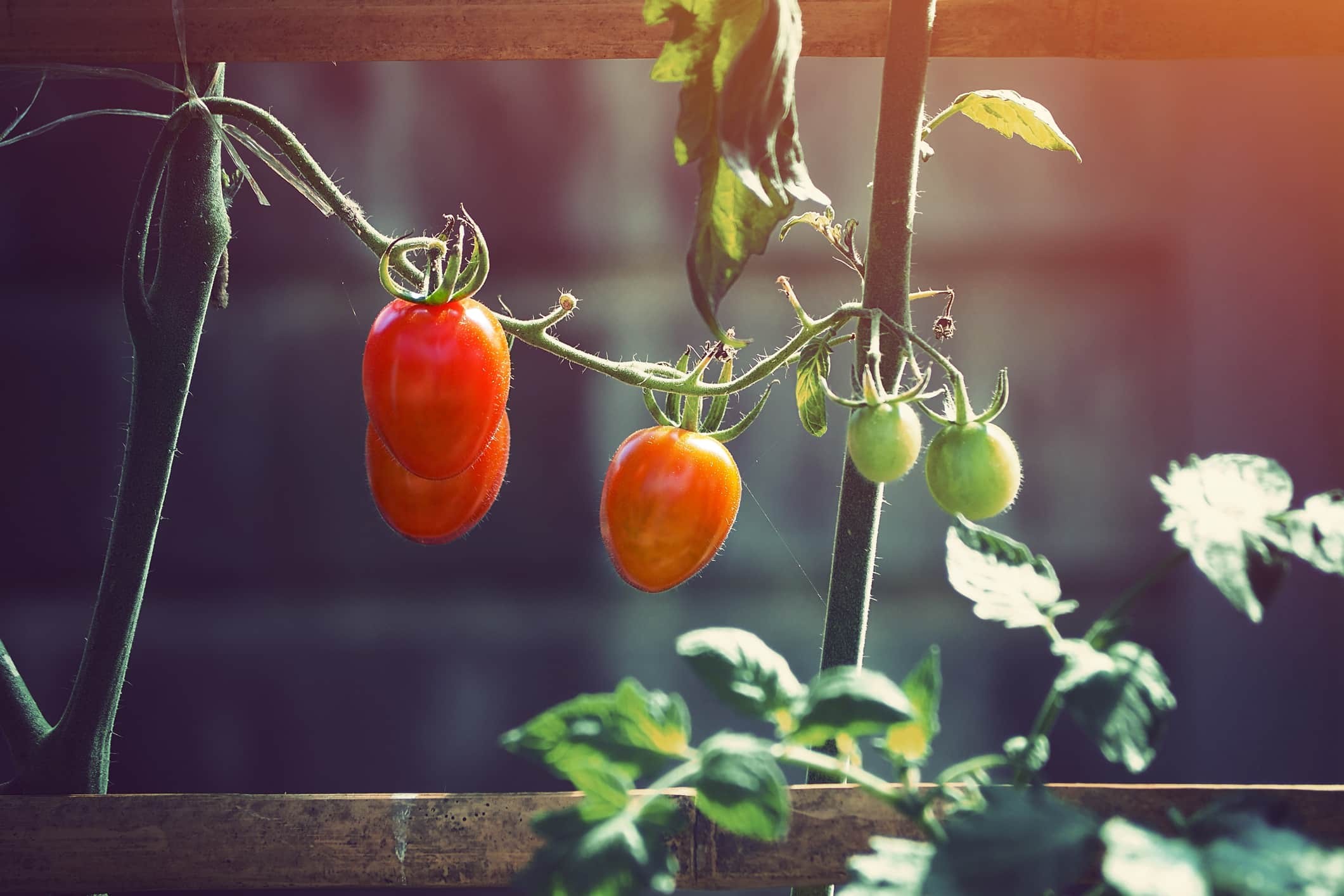
Spring arrives. The garden wakes up. And suddenly, you have tall, floppy things trying to escape your flower beds.
It’s a classic problem. You’ve got petunias spilling over the edge. You’ve got tomatoes that are getting too heavy for their own good. The instinct? Run to the big-box store. Buy the branded bamboo stakes. Buy the plastic ties. Buy the expensive, color-coordinated trellis kits that cost more than the plants themselves.
Stop.
You don’t need to spend a fortune to keep your garden upright. In fact, the best supports are already sitting in your shed, your recycling bin, or your neighbor’s trash pile. We’re talking about free. Or nearly free. We’re talking about sturdy, eco-friendly, and surprisingly stylish plant stakes you can build in an afternoon.
Here is how to keep your garden vertical without emptying your wallet.
The Bamboo Alternative: Scrap Wood
Bamboo is the gold standard for organic-looking supports. It’s strong, it’s rot-resistant, and it looks good. But new bamboo stakes can set you back $20 for a dozen. If you’re planting a large bed, that adds up.
Look for scrap lumber instead.
Old 2x4s from a demolition site. Fence pickets left over from a repair. Even broken pallet wood (just make sure it’s not heat-treated with harsh chemicals). Sand down the splinters. Cut them to the height of your tallest plant.
For heavy climbers like morning glories or beans, drive these wooden stakes into the ground before you plant. They’ll blend in. They’ll hold. And when the season ends, you can compost them.
Pro Tip: Dip the bottom 6 inches of your wooden stakes in linseed oil or a wood preservative before driving them into the soil. This simple step doubles their lifespan.
The Wire Hanger Trick
What do you have a surplus of in April? Plastic-coated wire clothes hangers.
They’re cheap, ubiquitous, and incredibly flexible. Strip the coating off if you want a rustic look, or leave it for a pop of color. Bend them into triangles or loops. Use them to create a simple teepee structure for peas and cucumbers.
It’s not high fashion. It’s functional. And it costs zero cents.
Coffee Cans and PVC Pipes
Got old coffee cans? They’re perfect for individual supports. Poke drainage holes in the bottom. Fill them with gravel for stability. Drive them into the ground next to single, top-heavy plants like dahlias or sunflowers. They’re bright, they’re visible, and they won’t rust if you paint them.
PVC pipe is another winner. Leftover scraps from a plumbing project make excellent, uniform stakes. They’re lightweight, easy to cut with a hacksaw, and indestructible. Drill a few holes near the top and tie your vines on. Done.
Why DIY Beats Store-Bought
It’s not just about the money. It’s about control.
When you buy a store-bought trellis, you’re stuck with its dimensions. When you build your own, you decide exactly how wide, how high, and how strong it needs to be. You can adapt to the specific needs of
Why DIY Stakes Beat Buying Them
There is a specific kind of satisfaction in holding a tomato plant that is climbing a stake you made from scrap wood in your garage. It is not just about saving a few euros. It is about reducing waste. And yes, it is about having a support system that actually fits your plants rather than some generic plastic stick from the supermarket.
Recycling materials for garden stakes is an easy way to lower your ecological footprint. But the real win? Customization. You decide the height. You decide the width. You decide if it looks rustic or modern.
Sourcing Materials from Your Home
You probably have everything you need already. Look at the pile of branches from your last pruning session. They are strong. They are natural. They disappear into the garden scenery.
If you have bamboo clumps nearby, use them. Bamboo is tough. It resists rot better than many woods if left untreated.
Check the garage.
Old tent pegs? Useful.
Rusty chicken wire? Perfect for cages.
Broken curtain rods? Bend them.
Wire coat hangers? Straighten them out. They make excellent flexible supports for delicate vines.
Do not forget the small stuff. Twine from packages. Old t-shirts cut into strips. These are all binding agents that won’t cut into stems like plastic ties might.
Building Stakes That Won’t Fail
Making sturdy stakes is not rocket science. It is basic geometry and physics.
For branches or bamboo, cut them to the length of your plant plus a few extra inches for burying. Drive them into the soil. Deep. If the soil is hard, use a auger or a heavy mallet. Loose soil needs more depth.
Want a tipi for pole beans?
Gather three or four sturdy branches. Tie them at the top with twine. Spread the bases out. The beans will climb the convergence point naturally. It is efficient. It uses vertical space. It keeps fruit off the ground.
For tomatoes, try a cage.
Take a roll of chicken wire. Bend it into a cylinder. Place it around the plant when it is small. Secure the top with wire ties. As the tomato grows, it grows inside the cage. No more staking individual stems. The cage does the work.
Creative Twists for a Unique Garden
Standard is boring. Paint the branches. Use exterior-safe paint. Bright yellows. Deep greens. Or leave them raw for a weathered look.
Interlace dry vines or ropes between the stakes. It creates a trellis effect without buying a trellis.
Old wooden ladders are gold mines. They are already structured. Lean them against a fence or wall. Let nasturtiums or clematis climb them. They look intentional. They look curated.
Wooden pallets can be dismantled. Reassemble the slats into a large panel. Attach it to a post. It becomes a massive stake for climbing roses or tall sunflowers. Just sand the rough edges first. Safety matters.
Mistakes to Avoid
Not all trash is treasure.
Thin plastic breaks under the weight of heavy fruit. It can slice through stems. Avoid it.
Untreated metal rusts fast. Rust stains leaves. It weakens the structure. If you use metal, ensure it is galvanized or painted.
Stability is non-negotiable.
A stake that tips over can crush your plants. Push the stakes in until they feel immovable. Test them. Pull on them. If they wiggle, go deeper.
When tying plants, do not strangle them. Use loose loops. Allow room for thickening stems. Tight ties cut off nutrient flow. They cause girdling. The stem dies. The plant suffers.
This approach is practical. It is cheap. It keeps materials out of landfills. Your garden gets a unique look. You get the pride of creation.
The question is not whether you can do it. It is whether you have enough scrap material lying around right now to start.


