


When you open the door, you think there’s something fresh inside, but then you’re hit with that familiar sour, musty smell. This is not just trouble; It is a failure of trust. The clothes are wet and heavy and smell like a damp basement instead of clean linens.
It’s easy to blame the detergent. Maybe they’ve changed brands? Maybe the fabric softener is too heavy?
Stop.
The problem is rarely in the bottle. It lies in the biology of your machine.
Winter humidity and the post-holiday laundry rush create a perfect storm for bacterial growth. The real problem is that the washing machine is an ecosystem that the bad guys have now taken over. However, this is not a mechanical fault. This is a maintenance gap.
It can be fixed. No need for a plumber. You need a routine.
Here is where the rot hides.
The Blind Spots: Where Odors Breed
Most people clean the glass and stop there. It’s like cleaning the outside of the trash can when the container is full. The source of the smell is hidden in dark, damp crevices, and the dampness lingers long after the cycle ends.
If you skip this part, the smell will come back every time.
1. Door seal (rubber seal)
This is the main culprit. The rubber seal around the door of the front-load washer is waterproof, which prevents moisture from accumulating in the body of the washing machine.
Look carefully for wrinkles in the rubber. You may see black dots or a slimy film. It’s a mold.
In cold weather, rubber can stay cold and wet for several days. It becomes a petri dish for mold spores. If it feels sticky when you run your hand along the inner folds, there is a problem. This slime is a mixture of detergent residue, lint and bacterial biofilm. It smells awful. The smell transfers directly to your clothes.
2. Detergent compartment
Pull out the box. All of it.
Look at the back of the cavity where the box slides. It is rarely shiny. It is usually covered with a gray sticky substance. It is a mixture of insoluble powder, liquid detergent and standing water.
Water accumulates in the corners of pipes leading to boxes and barrels. If you don’t remove the box and scrub the tube, you are essentially injecting dirty water into every wash cycle. The boxes themselves often have cracks and gunk hides, turning it into a reservoir for sour odors.
3. Inside the drum
Although it is not always visible, there is residue on the inner walls of the drum.
If you use powder detergent, a white, crusty deposits may appear. These are minerals that accumulate in hard water and undissolved soap. When using liquids, a smooth film may appear.
These residues can create rough surfaces that bacteria can easily attach to. Over time, the drum isn’t just metal anymore; They are covered with a layer of organic matter and feeds on the lint and skin cells you wash away.
4. Drain pump filter
Most front loaders have a filter behind a small panel in the lower right corner. This is the last line of defense before the water leaves the machine.
It can catch coins, buttons, lint and hair. But it also captures the fine silt-like sediment that slips past the drum. If you haven’t checked it in a few months, it is clogged.
A clogged filter is not just a drainage problem. It creates standing water in the bottom of the machine. Standing water can grow bacteria. That bacteria smells. When the next cycle begins, the contaminated water will swirls around with your clean whites.
The Reset: A 4-Step Routine for a Fresh Machine
No need for expensive cleaning tablets. There is no need to disassemble the machine. A consistent four-step protocol is needed.
Do this once a month. If the smell is severe, do it twice.
**Step
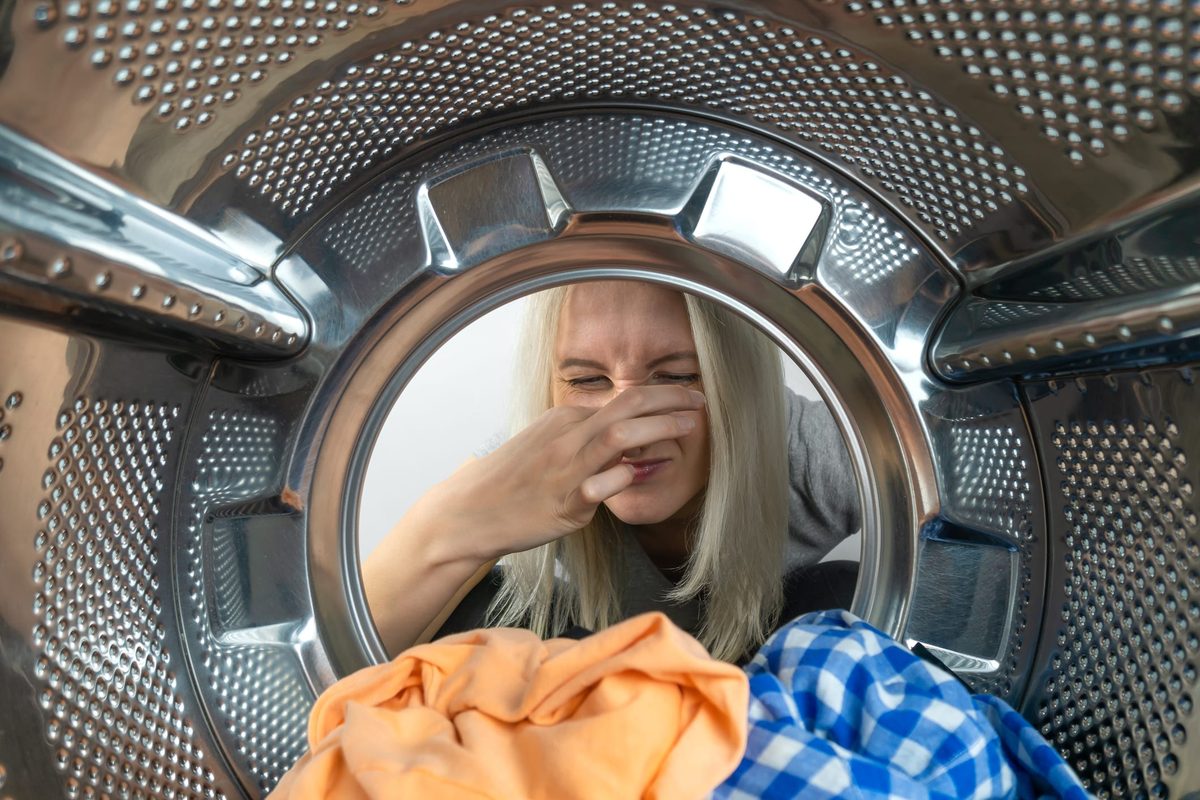

You may have noticed a sour, musty smell in your bathroom. This is not just trouble; It’s a sign of mold and bacteria growing in the dark, damp corners of the machine. Buying expensive cleaning cartridges is not the only solution. In fact, some of the most effective solutions are cheap, natural and require zero technical degree.
This is not a one-time scrub. Here’s a routine that targets specific weak spots where odors hide, including rubber seals, detergent boxes, drums, and drain filters.
Target the Rubber Seal First
Rubber seals (or gaskets) on doors are the biggest source of musty odors. It traps water, lint, and detergent residue. If you haven’t checked it recently, there may be black mold in the folds.
Here’s how to tackle it without harsh chemicals:
- Mix the solution: Mix white vinegar and warm water in a ratio of 1:1.
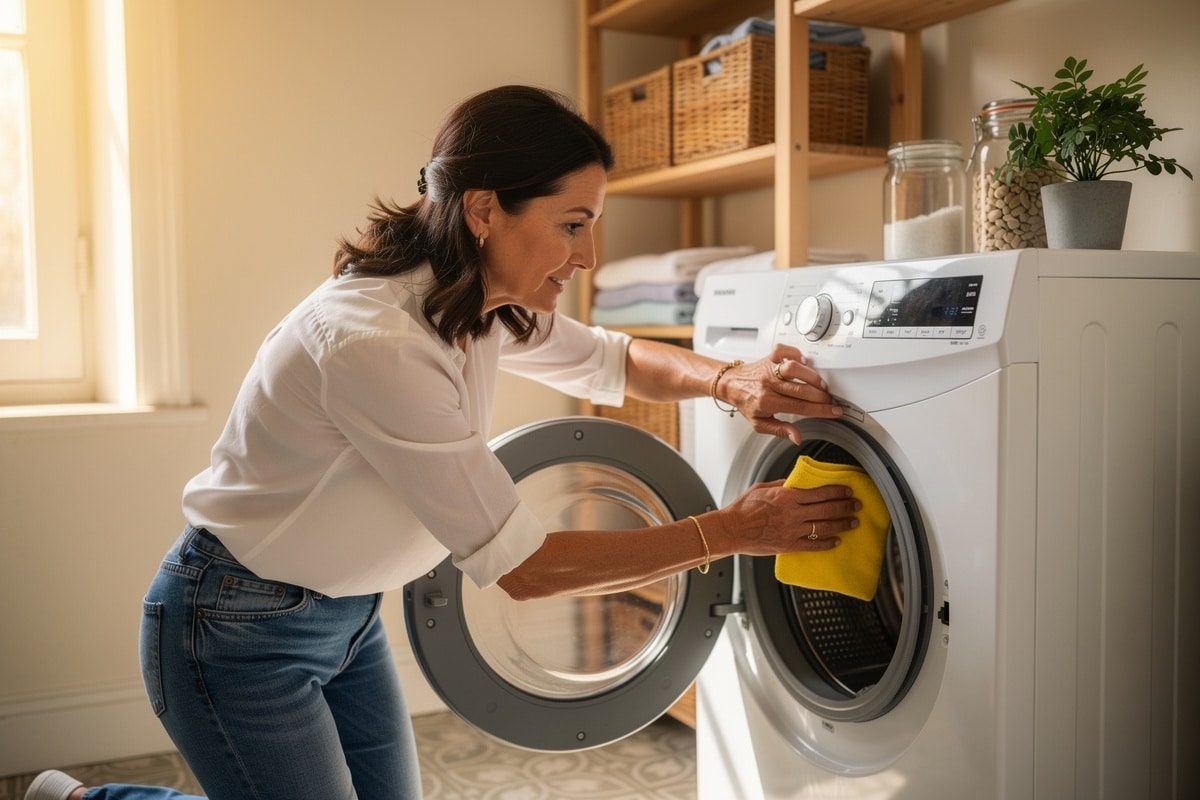
- Wipe it down: Dip a soft cloth in the mixture and rub around the seal. It’s not just about wiping surfaces. You need to pull back the folds of the rubber to clean underneath.
- Scrub the crevices: Use an old toothbrush to remove stubborn dirt. This is where the worst mold hides.
- Let it sit: Let the vinegar mixture sit on the rubber for a few minutes to kill bacteria.
- Rinse: Wipe with clean water. The pungent smell of vinegar quickly disappears, leaving the seals clean and fresh.
Vinegar is acidic and effectively breaks down mineral deposits and kills mold spores without damaging the rubber over time.
Desinfect the Detergent Drawer
The detergent drawer is also a growth medium. Over time, liquid or powder detergent can build up, trapping moisture and forming a foul-smelling biofilm.
- Remove the drawer: Pull it out completely. On most models, you can press the release button or lift a small lever.
- Soak: Pour 3 parts water and 1 part white vinegar into the basin. Soak the box in water for about 15 minutes. This loosens the gunk.
- Scrub: Use a sponge or toothbrush to remove any remaining dirt deposits. Pay attention to the corners and the mechanism where it slides back in.
- Dry thoroughly: Make sure the box and the opening it connects to are completely dry before putting it back in place. Residual moisture is your enemy.
Run a Deep Clean Cycle on the Drum
You may think your rollers are clean because you can’t see the dirt, but behind the scenes, they may be harboring soap scum and hard water minerals. This buildup traps odors and transfers them to your clothes.
No special cleaning agents are needed to remove it. White vinegar works wonders here too.
- Pour 0.5 liters (about 2 cups) of white vinegar directly into the empty bucket.
- *Select a hot cycle: * Select a program with a temperature of at least 60 °C (140 °F). Heat is necessary to kill bacteria and dissolving the vinegar’s cleaning power.
- *Let it run: * This cycle rinses the interior to remove limescale and detergent residue.
This method is gentle on the fabric and tough on grime. Restores the freshness of your drums without using strong bleaching agents that weaken the sealing ability over time.
Clean the Drain Pump Filter
This step is often skipped, but it is important. The filter captures coins, buttons, lint and hair. Blockages can cause water to stagnate, causing bad odors and drainage problems.
- *Prepare: * Place a shallow basin or a towel on the floor in front of the filter. Some water will spill out.
- *Locate the filter: * Usually located behind a small hatch at the front of the machine.
- *Unscrew and remove: * Turn the filter counterclockwise. Be ready for water to gush out.
- *Clean it: * Rinse the filter with hot water. Use a sponge and vinegar to clean the area where the filter is installed (housing).
- *Reinstall: * Screw the filter back in tightly. Loose filters can cause leaks.
This simple maintenance task can eliminate many persistent sources of unpleasant odors and keep the machine running efficiently.
Lifestyle habits to prevent odor
Although thorough cleaning is necessary, prevention is cheaper and easier. Small daily habits make a big difference in keeping your machine smelling fresh.
- Leave the door open: After washing, leave the door and the detergent compartment slightly open. This allows air to circulate, dries out moisture and prevents mold from forming.
- Do not leave wet laundry unused: Remove the laundry immediately after the program. Placing damp clothes in a sealed tumbler creates the perfect environment for mold.
- Measure the detergent carefully: Adding detergent will not make your clothes cleaner. Too much soap can produce a residue that collects dust and odors. Use the recommended amount depending on the size of the load and the hardness of the water.
Things to avoid
Not all cleaning methods are the same. Some common mistakes can make the smell worse or damage your machine.
- Never mix bleach and vinegar: This creates toxic chlorine gas. This is dangerous and unnecessary.
- **Avoid using chlorine bleach inside the drum. ** Chlorine bleach effectively kills mold, but repeated use can cause rubber seals and metal parts to deteriorate over time.
- Don’t skip the heat cycle: Bacteria and mold spores can survive if only regular cleaning at low temperatures is carried out. Disinfect the drum with boiling water (over 60°C) at least once a month.
Maintain a regular schedule
Consistency is key. In most homes, a thorough cleaning every four to six weeks is enough. Combined with the daily habits listed above, you will never encounter bad odors.
To add freshness, you can substitute vinegar and baking soda or a few drops of essential oil (such as tea tree or lavender) during the maintenance period. These natural additives have mild deodorizing properties and won’t leave any chemicals on your clothes.
By getting to the root of the problem of moisture and dirt accumulation, you can stop the odor cycle. As a result, the machine works better, has a longer life and your clothes smell cleaner. It’s a simple step, but it will instantly change the air quality in your washroom.
Ready to get started? Choose one of the tasks for the next washing day.


